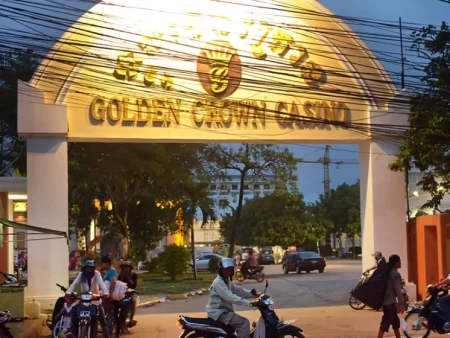


South Korea is preparing for a major shift in its gaming and tourism industry as policymakers discuss the south korea casino tourism tax increase 2026. The proposal, which would raise the casino tourism tax to 15%, is intended to generate additional government revenue while supporting infrastructure, public services, and sustainable tourism development. If approved, the measure could influence casino operators, international visitors, and investors, making it one of the most closely watched regulatory changes in Asia’s gambling market. This article explores the proposed tax increase, the reasons behind the policy, and its potential impact on South Korea’s casino tourism industry.
South Korea has become an enticing destination for international tourists, particularly drawn to its vibrant casino industry. In recent years, the growth of casino tourism has significantly boosted the economy, providing jobs and attracting visitors seeking entertainment and leisure. Key highlights include:
- Rapid growth in the number of casinos, particularly in Jeju Island and metropolitan areas.
- Diverse gaming options catering to various types of players.
- Integration of luxury amenities alongside casino facilities, enhancing the overall tourist experience.
The Role of Government in Regulating Casinos
The South Korean government plays a pivotal role in overseeing the casino sector to ensure responsible gaming and regulatory compliance. With the anticipated South Korea casino tourism tax increase 2026, authorities are looking to manage the financial benefits derived from this booming industry. Key governmental actions include:
- Implementing taxes on casino revenues to support local and national initiatives.
- Establishing control measures to curb gambling addiction among locals.
- Formulating policies that promote sustainable tourism, balancing economic growth and community welfare.
This new tax policy is expected to generate substantial revenue, contributing to public programs and enhancing the infrastructure needed to support increasing tourist numbers in South Korea.
Recent Developments in Casino Tourism Taxation
Proposed Increase to 15%
Apacaff | In 2026, South Korea is considering a significant casino tourism tax increase, proposing to raise the tax rate to 15%. This adjustment aims to enhance revenue from the thriving casino industry and cater to the growing number of international tourists visiting the country.
Reasons Behind the Tax Hike
The potential rise in the casino tourism tax stems from several key factors:
- Revenue Generation: The government aims to bolster the national budget by tapping into the lucrative gaming sector.
- Tourism Growth: With an influx of tourists seeking entertainment, there’s an opportunity to capitalize on their spending.
- Regulatory Adjustments: Aligning tax rates with global standards could enhance South Korea’s competitiveness in the international market.
Expected Impact on Casino Industry
Analysts predict that the proposed tax increase could have several effects on the casino sector:
- Profit Margins: Higher taxes might pressure operators to reassess their pricing strategies.
- Visitor Experience: An increase in costs could potentially affect the overall experience for tourists, as casinos might raise betting limits.
- Investment Flow: While some investors may view the tax hike as a risk, others could see it as an opportunity for long-term growth in a regulated environment.
As discussions continue regarding the South Korea casino tourism tax increase 2026, it remains crucial for stakeholders to navigate these changes smartly to ensure the industry’s resilience and appeal.
Implications for Tourists and Local Businesses
Effect on Casino Visitors
The South Korea casino tourism tax increase 2026 is poised to impact visitors significantly. With higher taxes, tourists may experience changes in their spending habits.
- Increased costs could lead to fewer visits from budget-conscious travelers.
- High rollers may continue to spend lavishly, but the allure of nearby destinations could grow.
- Tourists may shift their focus to alternative entertainment options outside of casinos.
Reactions from Local Businesses
Local businesses are reacting to the tax hike with a mix of concern and innovation. Here’s how they are adapting:
- Many are exploring partnerships with casinos to create attractive package deals.
- Restaurants and shops near casino areas are revamping their services to lure in tourists.
- Some small businesses worry about the potential loss of revenue due to decreased foot traffic.
Potential Changes in Tourist Behavior
The increase in the casino tourism tax may shift tourist behavior in several ways:
| Behavior Change | Potential Impact |
|---|---|
| Reduced Spending | Tourists may opt for cheaper accommodations and dining options. |
| Extended Stays | Travelers might stay longer to make the most of their trips despite higher taxes. |
| Greater Exploration | Visitors may explore more cultural attractions outside the casino environment. |
As the South Korea casino tourism tax increase 2026 unfolds, both tourists and local enterprises will need to adapt to the changing landscape, ensuring a balanced approach to tourism and business sustainability.
Comparative Analysis with Other Countries
Casino Tax Rates Worldwide
Understanding the landscape of casino tax rates globally provides insight into the competitive positioning of different nations in the casino tourism market. Below is a table summarizing the casino tax rates of various countries:
| Country | Casino Tax Rate (%) |
|---|---|
| United States | 20 |
| Australia | 15-25 |
| Macau | 35 |
| Singapore | 15 |
South Korea’s Position in Global Casino Tourism
As the casino industry in South Korea begins to evolve, the South Korea casino tourism tax increase 2026 is a topic of much discussion. This increase aims to address several key areas:
- Enhancing government revenue
- Improving infrastructure and services for tourists
- Boosting overall competitiveness with neighboring countries
With the rising tax rates in regions like Macau and Australia, South Korea is strategically positioning itself to attract a greater influx of international tourists while ensuring sustainable growth in its own casino sector. This shift not only impacts revenue generation but also influences how South Korea is viewed on the global casino tourism stage.
Potential Revenue from Increased Taxation

Projected Revenue Increases
The recent tax increase on casino tourism in South Korea for 2026 is expected to generate substantial revenue. With the thriving tourism industry, the government forecasts a significant boost in funds that could be utilized for various initiatives. Some key estimates include:
- An anticipated revenue increase of over 20% compared to previous years.
- Projected earnings could exceed 1 trillion won annually due to heightened visitor spending.
Use of Revenue for Public Services
The additional revenue from the casino tourism tax increase is intended to enhance public services across the nation. The government aims to allocate funds toward:
- Improving healthcare facilities and services.
- Investing in education and student programs.
- Supporting environmental initiatives and urban development.
This strategy not only aims to uplift local communities but also ensures that the growing tourism sector can contribute positively to the overall economy.
Long-term Financial Goals of the Government
The South Korean government has laid out strategic long-term financial objectives that align with the tax revenue from casinos:
- Strengthening national fiscal policies to promote economic stability.
- Reducing reliance on foreign investment by increasing domestic revenue streams.
- Fostering sustainable tourism to ensure the longevity of economic benefits.
By capitalizing on the South Korea casino tourism tax increase 2026, the government aims to build a robust financial foundation for future generations.
Conclusion
Summary of Proposed Changes
In response to the evolving landscape of the gaming industry, South Korea has initiated a significant adjustment to its casino tourism tax in 2026. This change includes:
- Increased tax rates aimed at optimizing revenue generation from casinos
- Strategic initiatives designed to boost overall tourism and attract more visitors
- Implementation of incentives for local gambling businesses to maintain competitiveness
Future Outlook for South Korea’s Casino Industry
The recent increase in the South Korea casino tourism tax is a pivotal move that underscores the government’s determination to bolster the economic impact of this sector while simultaneously nurturing tourism growth. Industry analysts are optimistic about the future, predicting that:
- The enhanced tax structure will lead to sustainable financial contributions from casinos
- Tourism numbers are likely to rise, offering a wider array of entertainment for visitors
- Increased investment opportunities will facilitate infrastructure developments and regional improvements
“The adjustment in taxation reflects the government’s commitment to enhancing the economic contributions of the casino sector while supporting tourism growth.”