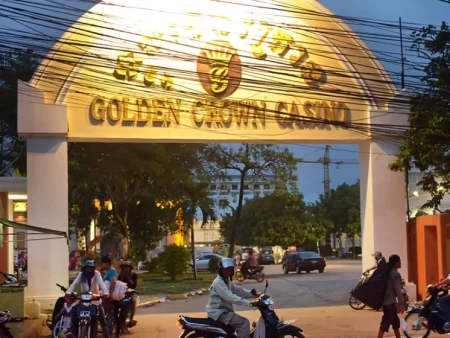


The decline in Indonesia gambling transactions has become one of the most closely watched developments in the global gambling industry. Over the past few years, Indonesian authorities have intensified efforts to combat illegal gambling through stricter regulations, financial transaction monitoring, and large-scale enforcement actions. These measures have led to a noticeable reduction in gambling-related payments, signaling a major shift in how the market operates.
While gambling remains largely prohibited in Indonesia, millions of digital transactions previously flowed through various online platforms, many of which were based overseas. The recent decline reflects not only stronger government intervention but also changing consumer behavior, tighter banking oversight, and advances in payment monitoring technologies. As financial institutions work more closely with regulators, unauthorized gambling payments are becoming increasingly difficult to process.
Beyond Indonesia, this trend has attracted attention from regulators and gambling operators worldwide. The decline in Indonesia gambling transactions highlights how stricter compliance policies can reshape online gambling markets and influence payment ecosystems across borders. Understanding the factors driving this decline provides valuable insight into the future of digital gambling, regulatory enforcement, and the evolving relationship between governments, financial services, and the global gaming industry.
Indonesia’s relationship with gambling is complex. While the nation has a rich tradition of gaming, the legal restrictions mean that many activities exist in a grey area. Some key points to note include:
- Gambling is mostly prohibited, with strict laws enforced.
- Illegal gambling activities are prevalent, often taking place underground.
- Despite the prohibition, many Indonesians still engage in betting, showing a desire for gaming experiences. ⏳
The legal landscape for gambling in Indonesia is characterized by:
- Heavy regulations under the 2004 Law on Gambling.
- Most forms of gambling, including casino gaming and sports betting, are illegal.
- Authorities have been cracking down on illegal establishments, aiming to curb the rising trend of underground betting.
Recently, there has been a notable decline in Indonesia gambling transactions, attributed to various factors:
- Increased law enforcement efforts targeting illegal operators.
- Shifts in public perception, with growing awareness of the risks associated with gambling.
- The rise of online betting platforms outside Indonesia, which many citizens are exploring.
This decline poses significant implications for the future of gambling in Indonesia, as stricter measures are enforced to combat illegal activities while potential market shifts remain. As trends evolve, stakeholders must adapt to these changes for sustainable growth in the gambling sector.
Government Regulations and Impact
Current Laws Governing Online Gambling
In Indonesia, online gambling is heavily regulated, with strict laws in place to curb activities that promote wagering on digital platforms. The key regulations include:
- Prohibition of all forms of online gambling.
- Severe penalties for operators and participants involved in illegal gambling activities.
- Monitoring of online platforms to detect and eliminate gambling-related services.
Such stringent laws play a significant role in the observed decline in Indonesia gambling transactions as they discourage participation and significantly hinder operational channels for gambling websites.
Enforcement Measures by Indonesian Authorities
The Indonesian government employs various enforcement strategies to uphold its gambling laws:
- Regular inspections of online businesses for compliance with regulations.
- Collaboration with internet service providers to block access to gambling sites.
- Use of sophisticated technology to track illegal gambling activities online.
These measures contribute to the overall decline in Indonesia gambling transactions, as users find it difficult to access platforms without facing repercussions.
Public Sentiment Towards Gambling Regulations
Public opinion about gambling regulations in Indonesia is mixed. Many citizens appreciate the government’s efforts to reduce gambling-related issues, while others argue that:
- Such restrictions drive gambling underground, making it harder to regulate.
- It limits entertainment options for those who gamble responsibly.
Overall, the tension between maintaining social order and allowing for personal freedom remains a hot topic in Indonesian society. The ongoing debate continues to impact the decline in Indonesia gambling transactions.
Economic Implications of the Decline
Impact on Local Businesses
The noticeable decline in Indonesia gambling transactions has significant repercussions for local businesses that cater to gaming activities. These establishments experience decreased foot traffic and dwindling revenue, leading to potential closures. Key impacts include:
- Reduced sales in surrounding retail shops and restaurants
- A drop in service-based incomes such as cleaning, security, and maintenance
- Vulnerability of local businesses that depend on gambling-related patrons
Potential Revenue Loss for the Government
The government stands to lose substantial revenue due to the ongoing decline in Indonesia gambling transactions. This revenue is crucial for funding public services and infrastructure projects. Expected outcomes include:
- A significant fall in tax income from gambling operations
- Decreased funding for community programs and initiatives
- Budget shortfalls leading to reduced public service capability
Effect on Employment in the Gambling Sector
Employment levels within the gambling sector are likely to be adversely affected due to the decline in transactions. Workers face uncertainty with potential outcomes such as:
- Layoffs and reduced working hours for staff
- Increased job competition due to fewer available positions
- Challenges for employees transitioning to different sectors
The overall decline in Indonesia gambling transactions not only impacts the gambling industry but also has wider economic implications that ripple through the local community and beyond.
Consumer Behavior Changes
Shifts in Gambling Preferences
Apacaff | Recent data indicates a noticeable decline in Indonesia gambling transactions as consumers adapt to evolving entertainment choices. Individuals are increasingly gravitating toward:
- Interactive online gaming platforms
- Skill-based games that offer greater engagement
- Social gaming experiences that foster community
Impact of Technology on Gambling Trends
The rapid advancement of technology has significantly influenced gambling habits. Key factors include:
- The rise of mobile apps, facilitating on-the-go gambling
- Enhanced security features, boosting consumer confidence
- Increased regulation that affects accessibility
Emergence of Alternative Entertainment Options
With the growth of other entertainment avenues, the decline in Indonesia gambling transactions may also be attributed to:
- Streaming services providing accessible content
- The popularity of esports creating competitive environments
- Availability of virtual reality experiences enhancing leisure activities
Understanding these shifts in consumer behavior is essential for businesses looking to adapt to the changing landscape of entertainment and gambling in Indonesia.
International Comparison of Gambling Trends
Gambling Behaviors in Neighboring Countries
Across Southeast Asia, various nations showcase unique gambling practices that significantly contrast with the trends seen in Indonesia. Here are some key behaviors:
- Malaysia: Tends to have a regulated market with prominent casinos and legal betting platforms.
- Thailand: Despite strict bans, underground gambling thrives, suggesting a high demand.
- Singapore: Offers limited but well-regulated gambling options, which manage to attract both locals and tourists.
Global Trends Influencing Indonesia’s Gambling Market
Recent patterns in global gambling highlight a notable decline in Indonesia gambling transactions. Factors contributing to this trend include:
- Increased Regulations: Stricter laws and enforcement in response to illegal gambling activities.
- Digital Transformation: The rise of online gambling options elsewhere that captivates Indonesian players.
- Social Acceptance: Changing cultural norms surrounding gambling in different parts of the world.
Lessons from Other Countries’ Regulations
To address the decline in Indonesia gambling transactions, policymakers can draw insights from other nations:
| Country | Regulatory Approach | Key Takeaway |
|---|---|---|
| Australia | Emphasizes responsible gambling initiatives | Promoting safer gaming environments can cultivate trust. |
| Canada | Allows both land-based and online gambling | Diversifying options can appeal to various demographics. |
By closely examining these international trends and regulations, Indonesia can foster a healthier gambling environment while potentially counteracting the decline in gambling transactions.
Future Outlook for Indonesia’s Gambling Industry

Potential Recoveries and Growth Areas
As the gambling landscape in Indonesia experiences a notable decline in Indonesia gambling transactions, several avenues for potential recovery and growth are emerging:
- Expansion into regulated betting markets could provide a boost, attracting both local and international players.
- Increased tourism may lead to a rise in demand for entertainment options, including gambling.
- Rising interest in sports betting and online gaming is opening new possibilities for operators.
Predicted Changes in Legislation
The future of the gambling sector may see pivotal legislative changes aimed at moderating the decline in Indonesia gambling transactions. Key factors to consider include:
- Discussions around legalizing certain forms of gambling to combat illegal activities and encourage responsible gaming practices.
- Strengthening regulations to enhance consumer protection and ensure fair play.
- Exploring taxation models that could fund social development initiatives while supporting the gaming sector.
The Role of Online Platforms in Reshaping the Market
Online platforms are set to significantly influence the gambling industry in Indonesia. With the growing digitization, stakeholders should note:
- Increased accessibility to gambling options through mobile and online services is critical for reviving interest.
- Online platforms can create safer environments with better customer support, potentially reducing the decline in Indonesia gambling transactions.
- A shift towards incorporating advanced technology, such as blockchain and virtual reality, may redefine user experiences and attract younger audiences.
Conclusion
Summary of Findings
In recent years, there has been a significant decline in Indonesia gambling transactions. This downturn can be attributed to various factors, including:
- Increased government regulations and crackdowns on illegal gambling activities
- The rise of digital payment platforms that have changed consumer behavior
- Growing societal awareness of the risks associated with gambling
Understanding these factors is essential for stakeholders looking to navigate the evolving landscape of gambling in Indonesia.
The Future of Gambling Payments in Indonesia
The outlook for gambling transactions in Indonesia will likely continue to evolve due to several trends:
- Advancements in technology leading to safer and more accessible payment methods
- Increased collaboration between the government and financial institutions to regulate transactions
- A potential shift in public perception towards more regulated platforms, paving the way for responsible gambling
As these dynamics unfold, they will shape the gambling payment ecosystem, addressing the existing decline with innovative solutions.
Call to Action for Stakeholders
To adapt to the decline in Indonesia gambling transactions and seize future opportunities, stakeholders should:
- Invest in technology that enhances payment security and convenience
- Engage with the community to foster a supportive environment for responsible gaming
- Collaborate with regulatory bodies to establish clear guidelines for gambling operations
By taking proactive steps, stakeholders can help guide the gambling industry towards a more sustainable future, benefitting all parties involved.