
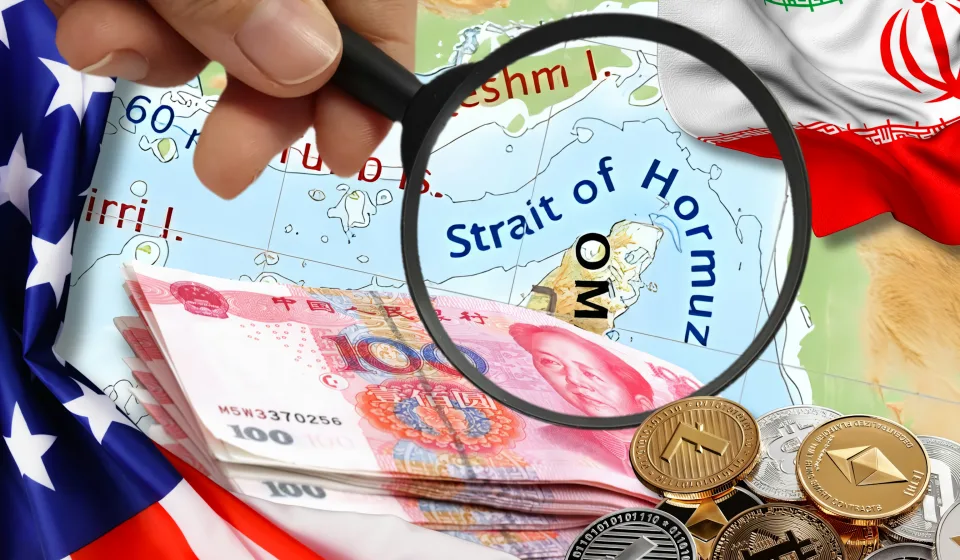
The Iran Hormuz crisis tokenized markets investment landscape is rapidly evolving as geopolitical tensions in the Strait of Hormuz send shockwaves across global financial systems. As one of the world’s most critical النفط transit routes faces increasing instability, investors are being forced to rethink traditional strategies and explore more resilient alternatives. This shifting environment has accelerated interest in tokenized markets, where blockchain-based assets offer flexibility, transparency, and round-the-clock trading opportunities.
In today’s interconnected economy, the Iran Hormuz crisis is no longer just a regional conflict—it is a catalyst for transformation in how capital moves and how risk is managed. From oil price volatility to the rise of digital assets, the intersection between geopolitics and technology is redefining global investment behavior. Understanding the dynamics of Iran Hormuz crisis tokenized markets investment is essential for anyone looking to navigate the uncertainties of modern financial markets.
The Strait of Hormuz, a pivotal maritime route for oil transport worldwide, has become a hotspot of escalating geopolitical strife. The ongoing Iran Hormuz crisis has resulted in concerns that ripple across global markets, affecting not only oil prices but also investor sentiment. Key points include:
- Significance of the strait in global oil supply
- Iran’s strategic military positioning in the area
- Recent escalations in tensions between Iran and surrounding nations
This crisis involves various nations and groups with vested interests, including:
- Iran: Seeking to assert its influence and control over the strait
- United States: Aiming to protect its allies and ensure free navigation in crucial shipping lanes
- Gulf States: Heavily reliant on smooth oil transportation for economic stability
The Hormuz crisis not only affects regional dynamics but also bears significant implications for tokenized markets investment. Investors should be alert to the volatility that may stem from shifts in policy or military actions in this strategic area. By staying informed, they can make better investment decisions in the face of geopolitical uncertainty.
The Evolution of Tokenized Markets
Understanding Tokenized Assets
Apacaff | Tokenized assets are digital representations of real-world assets on a blockchain. They serve as a bridge between traditional finance and digital currencies, bringing about several benefits:
- Enhanced Liquidity: Tokenization enables assets to be more easily traded and transferred.
- Fractional Ownership: Investors can buy smaller portions of high-value assets, making investment more accessible.
- Transparency: Blockchain technology provides a secure and transparent record of transactions.
These features are revolutionizing the financial markets, making investment opportunities available to a broader audience.
Historical Context of Tokenization
The journey of tokenized markets has been significant, especially leading up to the recent Iran Hormuz crisis. Let’s explore how these innovations have unfolded:
- Initial Developments: The concept of tokenization began with cryptocurrency innovations in the early 2010s.
- Market Growth: As blockchain gained prominence, tokenized investments emerged, capturing the interest of investors worldwide.
- The Current Crisis: The ongoing Iran Hormuz crisis has highlighted the importance of tokenized markets as a potential solution for diversifying investments, reducing risks associated with geopolitical tensions.
In conclusion, the evolution of tokenized markets has not only transformed investment strategies but also brought new dimensions to financial security during times of uncertainty.
Wall Street’s Response
Shifts in Trading Hours
In light of global crises and increasing market demands, Wall Street has undergone a significant transformation towards 24/7 tokenized trading environments. This shift allows for constant market activity, catering to the dynamic needs of investors. Here are a few key points regarding this transition:
- Markets are now accessible around the clock, providing greater flexibility for investors across different time zones.
- Tokenized assets facilitate quicker transactions, enhancing liquidity in times of uncertainty.
- The quick adaptation to a 24/7 model reflects a proactive approach to current market pressures stemming from events like the Iran Hormuz crisis.
Investor Behavior Changes
Following the Hormuz crisis, analysis reveals that investors are recalibrating their strategies in response to evolving market landscapes. Some noteworthy trends include:
- Increased diversification: Investors are exploring tokenized markets to mitigate risks associated with geopolitical tensions.
- Emphasis on real-time data: The need for immediate information has never been greater, pushing investors to adopt analytics tools for informed decisions.
- Shift towards digital assets: The rise of tokenized investment methods has encouraged more investors to explore these options as a hedge against traditional market volatility.
Implications for Global Oil Prices
Current Trends in Oil Pricing
The ongoing crisis in the Hormuz Strait has catalyzed significant fluctuations in oil prices worldwide. As tensions escalate, investors are closely monitoring these changes, which are influenced by several key factors:
- Disruptions in supply routes
- Market speculation
- Geopolitical uncertainties
This situation underscores the need for vigilance among those involved in the Iran Hormuz crisis tokenized markets investment, as unpredictable shifts can lead to substantial financial consequences. The current trajectory indicates a volatile market that could impact not just oil prices, but also overall economic stability.
Future Predictions
Experts in the energy sector foresee a range of potential long-term repercussions resulting from the Hormuz crisis on the stability of oil prices. Key insights include:
“If tensions continue, we may see a sustained increase in oil prices, affecting both consumers and businesses.”
Other predictions suggest:
- Investment in alternative energy sources will increase
- Long-term volatility could lead to a re-evaluation of energy policies
As stakeholders navigate the challenges surrounding the Iran Hormuz crisis tokenized markets investment, proactive strategies may be vital for mitigating risks and capitalizing on emerging opportunities.
Regulatory Considerations
Governments and Financial Regulators
In recent times, various nations have been actively addressing the volatility linked to tokenized markets and oil trading amid the Iran Hormuz crisis. Here’s how different governments are responding:
- Increased Oversight: Many countries are enhancing their regulatory frameworks to monitor tokenized assets more closely.
- Collaboration: Financial regulators are working together internationally to establish shared guidelines that adapt to the rapid changes in the market.
- Investor Protection: Stricter rules are being implemented to safeguard investors from potential fraud and misleading practices in token trading.
Possible Future Regulations
As the current challenges unfold, potential changes in regulation may be on the horizon, primarily in reaction to the Iran Hormuz crisis. Some anticipated developments include:
- Stricter Compliance Requirements: Increased demands for transparency from tokenized market participants.
- Mandatory Reporting: Regulations might require regular disclosures to enhance market stability.
- Enhanced Security Measures: New standards could be established to protect against cyber threats targeting trading platforms.
As investors navigate these complexities, staying informed about regulatory adjustments in tokenized markets will be crucial for making sound investment decisions.
The Role of Technology in Financial Markets
Blockchain and Tokenization
The emergence of advanced technologies has paved the way for the growth of tokenized markets, particularly in the context of the Iran Hormuz crisis. Tokenization involves transforming assets into digital tokens that can be easily traded on blockchain platforms. This innovation offers several benefits:
- Improved liquidity for traditionally illiquid assets
- Greater transparency in transactions
- Enhanced security against fraud
With the growing global interest in tokenized investments, understanding how blockchain technology supports these markets is crucial for investors seeking new opportunities.
Security and Fraud Prevention
As tokenized markets expand, robust security measures are essential to safeguard investments. Strategies employed in these markets include:
- Multi-signature wallets for added protection
- Regular audits by independent third parties
- Continuous monitoring for suspicious activities
By proactively addressing potential threats, tokenized markets can cultivate a safer environment for investments, particularly during volatile times like the Iran Hormuz crisis.
In conclusion, the integration of technology in financial markets is revolutionizing how investments are approached. As tokenization continues to rise, ensuring security and transparency remains a top priority for investors embracing these modern solutions.
Impact on Other Global Markets
Stock Market Reaction
The events surrounding the Hormuz crisis have significantly influenced stock markets across the globe. Investors are wary, leading to fluctuations in major indices. Here’s how different regions are reacting:
- North America: A decline in energy stocks, with investors seeking safer assets.
- Europe: Increased volatility, particularly in sectors reliant on oil imports.
- Asia: Mixed responses with some markets experiencing a downturn, while others rebound in tech investments.
Effects on Cryptocurrency Markets
The crisis in Hormuz has created a ripple effect that extends to cryptocurrency values. The connection between oil prices and the cryptocurrency market is increasingly evident:
| Factors | Cryptocurrency Response |
|---|---|
| Oil Price Surge | Generally leads to an increase in Bitcoin and Ethereum due to safe-haven buying. |
| Market Volatility | Creates uncertainty, prompting investors to diversify into tokens. |
As investors navigate the turbulence, they are reassessing their tokenized markets and investment strategies to mitigate risk during the ongoing Iran Hormuz crisis.
As global uncertainty intensifies, many investors are actively exploring new digital avenues to diversify their portfolios through Iran Hormuz crisis tokenized markets investment strategies. Platforms like Tigerpalace are gaining attention for offering accessible entry points into blockchain-powered financial ecosystems, where users can engage with tokenized assets in a fast-moving, 24/7 environment. By leveraging such platforms, investors can better adapt to volatility driven by geopolitical tensions while tapping into emerging opportunities in decentralized finance.
Conclusion and Future Outlook
Summary of Key Points
In this discussion, we have explored critical insights surrounding the Iran Hormuz crisis and the subsequent impact on market dynamics. Key takeaways include:
- Intensifying geopolitical tensions in the Gulf region have caused significant fluctuations in global markets.
- Investment strategies are increasingly steering towards tokenized markets as a means to navigate instability.
- Market participants are adapting their approaches in response to evolving threats and opportunities presented by the crisis.
Looking Ahead
As we look toward the future, industry experts provide insights into possible trends:
- Geopolitical Predictions: Ongoing tension in the Hormuz Strait could lead to further market adjustments, impacting both local and international investments.
- Sustainability of Market Shifts: The longevity of the current trend towards tokenized markets hinges on how effectively stakeholders can mitigate risks associated with geopolitical uncertainties.
- Investment Strategies: Investors will likely explore innovative assets to safeguard against volatility, enhancing the attractiveness of tokenized financial instruments.
In summary, the Iran Hormuz crisis significantly influences market investments and the adoption of new financial technologies. As events unfold, ongoing vigilance and strategic planning will be crucial for navigating this complex landscape.