

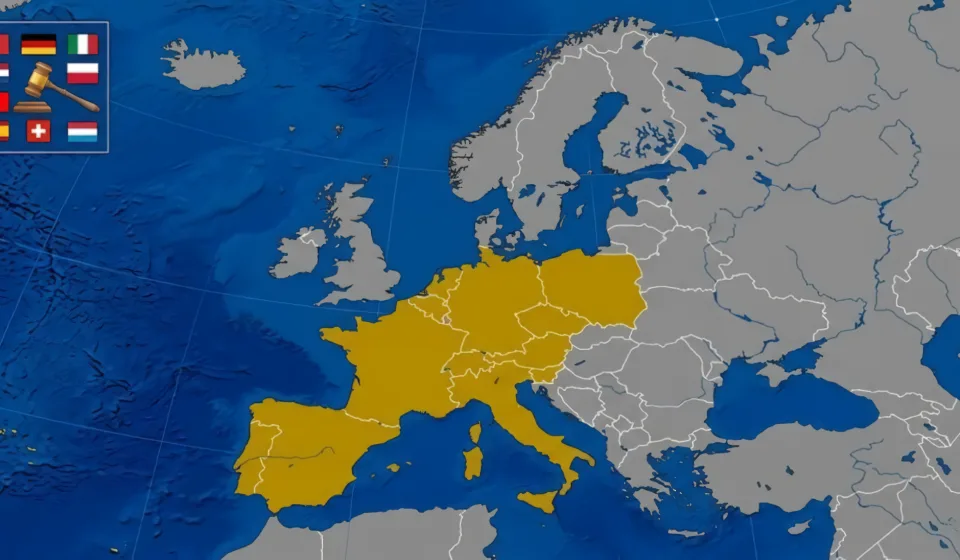
Prediction markets have rapidly evolved into powerful digital platforms where participants trade on the outcomes of real-world events, from political elections to economic shifts and global sports tournaments. As these platforms grow in popularity and influence, regulatory attention has intensified, particularly within the European Union.
The EU regulation on prediction markets is becoming a key framework shaping how these platforms operate across member states. Designed to balance innovation with consumer protection, these rules aim to improve transparency, strengthen compliance standards, and reduce risks linked to fraud or market manipulation. At the same time, they are redefining how operators structure their services in an increasingly data-driven financial ecosystem.
As the global interest in prediction markets expands, the EU’s regulatory approach is expected to play a major role in setting standards that could influence other regions and shape the future of digital forecasting markets worldwide.
How Do Prediction Markets Work?
These markets operate similarly to traditional stock exchanges. Participants purchase shares in events they believe will occur and sell shares in those they think are unlikely. The market price thus serves as an indicator of the perceived probability of an outcome. Key features include:
- Participants can earn profits based on correct predictions.
- The markets adjust in real-time based on user input and new information.
- Transparency allows for improved decision-making among participants.
The Role of Data in Prediction Markets
Data is the backbone of prediction markets. Accurate information influences trading decisions, making it essential for generating reliable outcomes. Here’s how data plays a crucial role:
- Enhances the accuracy of predictions.
- Supports informed trading decisions.
- Facilitates the evaluation of market sentiment about various events.
As regulatory frameworks like the EU regulation on prediction markets evolve, the importance of transparency and data integrity in these platforms will only grow, establishing a more robust market environment.
EU’s Regulatory Landscape
Overview of Current Regulations
The EU regulation on prediction markets is designed to foster a balanced environment for innovative financial strategies while ensuring consumer protection. Key aspects include:
- Enhanced transparency requirements
- Strict compliance standards for market operators
- Consumer safeguards to prevent fraud
Recent Changes in Legislation
Recent adjustments to this regulatory framework signify a shift in how prediction markets operate within the EU. Notable updates include:
- A broadened definition of prediction markets
- Stricter licensing processes for service providers
Such modifications aim to align with the evolving digital economy and enhance user trust in these financial instruments.
Future Regulatory Prospects
As the market for prediction instruments expands, future EU regulations will likely focus on:
- Increased oversight on digital platforms
- Potential harmonization of laws across member states
- Emphasis on responsible gambling practices
The direction of these regulations will play a crucial role in shaping the future landscape of prediction markets within the EU, ensuring they remain innovative yet secure.
Impact of Regulation on Prediction Markets
Potential Effects on Market Dynamics
The EU regulation on prediction markets introduces significant transformations within the trading landscape. These regulations can lead to:
- Increased Restrictions: Tighter rules may limit the types of events that can be wagered on, impacting user engagement.
- Market Stabilization: Compliance could foster a more secure environment, attracting institutional investors.
- Fair Play: Regulations aim to ensure integrity in predictions, promoting healthy competition among platforms.
Consumer Trust and Participation
With clear and comprehensive regulations, the EU regulation on prediction markets can enhance consumer confidence. The following aspects illustrate this trust-building:
- Enhanced Transparency: Regulations encourage operators to disclose key information, fostering trust among users.
- Improved User Experience: Clear guidelines can streamline processes for bettors, making participation more appealing.
- Data Protection: Stronger safeguards will assure users that their information is secure, increasing participation rates.
Challenges for Operators
While regulations can have positive implications, they also pose hurdles for market operators:
- Compliance Costs: Adapting to new regulations may necessitate substantial financial investment.
- Innovation Stifling: Stringent rules might limit operators’ ability to innovate, potentially hindering growth.
- Market Entry Barriers: New entrants could find it challenging to navigate the regulatory landscape, leading to reduced competition.
Case Study: World Cup Prediction Markets
Popular Betting Platforms
Apacaff | As the excitement of the World Cup approaches, a variety of betting platforms gain traction among fans eager to engage in world cup prediction markets. Here are some leading platforms:
- Betfair: Known for its innovative exchange model, allowing users to back or lay bets.
- Pinnacle: Offers competitive odds and an extensive range of betting options.
- DraftKings: A favorite for its user-friendly interface and diverse betting formats.
Market Trends during World Cup Events
Key trends emerge in the betting landscape every World Cup season. Understanding these trends can help you navigate the EU regulation on prediction markets effectively:
- Increased volume of bets: As interest peaks, the number of active bettors rises significantly.
- Fluctuating odds: These adjust in real-time based on team performance and public sentiment.
- Regulatory impacts: Compliance with EU regulation on prediction markets shapes the operational dynamics of betting sites, influencing their offerings.
Consumer Behavior and Market Prediction Accuracy
The behavior of consumers during the World Cup greatly impacts market predictions. A few factors include:
| Factor | Impact on Predictions |
|---|---|
| Fan loyalty | Drives betting patterns toward favorite teams. |
| Media Influence | Affects public sentiment and odds. |
| Historical data | Guides predictions based on past performances. |
By analyzing these behaviors, bettors can enhance the accuracy of their predictions while adhering to the evolving EU regulation on prediction markets.
Global Perspective on Prediction Markets
Comparative Analysis by Region
Prediction markets have gained traction across various regions, and analyzing their function and regulation aids in understanding their impact. Here are some key comparisons:
- North America: These markets are lively, driven by tech innovation and a supportive regulatory environment.
- Europe: EU regulation on prediction markets poses certain challenges but also safeguards consumer interests
- Asia: Emerging markets in Asia showcase a unique blend of traditional practices and modern technology
Lessons from Other Countries
Several international case studies reveal insightful lessons regarding the operation and regulation of prediction markets:
Japan: The legal framework here emphasizes transparency, which has led to increased user trust and participation
Australia: Innovative structures allow citizens to engage in prediction activities while maintaining compliance with local laws
Impact of Global Standards
The establishment of global standards enhances the integrity of prediction markets, particularly in the context of EU regulation on prediction markets. Some benefits include:
| Benefit | Description |
|---|---|
| Increased Compliance | Regulations help ensure markets operate fairly and responsibly |
| Market Expansion | Global standards open doors for businesses to explore new markets and innovations |
Technological Innovations in Prediction Markets
Integration of Blockchain Technology
The advent of blockchain has revolutionized prediction markets by ensuring transparency and security. Key benefits include:
- Enhanced security through decentralized platforms.
- Increased trust among participants due to immutable record-keeping.
- Reduced costs associated with intermediaries.
Role of Artificial Intelligence
Artificial intelligence (AI) plays a pivotal role in analyzing vast amounts of data to predict market trends accurately. AI’s contributions entail:
- Real-time data analysis to improve prediction accuracy.
- Machine learning algorithms that evolve with changing market dynamics.
- Risk assessment tools that help in mitigating potential losses.
Impact of Mobile Platforms
Mobile technology is reshaping the way individuals engage with prediction markets. The advantages include:
- Accessibility anytime, anywhere, fostering broader participation.
- User-friendly interfaces enhancing engagement and usability.
- Instant notifications keeping users updated on market changes.
As the EU regulation on prediction markets continues to evolve, these technological advancements not only align with but also drive compliance and innovation in the sector.
Societal Views on Prediction Markets

Public Perception and Acceptance
In recent years, prediction markets have gained a significant amount of attention, with many individuals showing a growing interest in their potential. However, public sentiment varies widely, shaped by several factors:
- Awareness: Many people are still unfamiliar with what prediction markets entail.
- Speculation vs. Investment: Some view these markets as a legitimate investment opportunity, while others see them merely as a form of gambling.
- Broad Usage: Their application spans politics, sports, and economics, impacting public perception positively.
Ethical Considerations
The rise of prediction markets raises essential ethical questions that society must address:
- Transparency: Ensuring that participants are well-informed about the functioning and implications of these markets is crucial.
- Manipulation Risks: Potential for market manipulation leads to concerns regarding fairness and trust.
- Access: Equal access for all participants can be problematic, particularly for less informed individuals.
The Debate on Gamification
The intersection of prediction markets and gamification has sparked considerable debate:
- Engagement: Gamifying prediction markets can enhance user interest and participation.
- Seriousness: However, this approach may risk trivializing serious topics like elections or economic forecasts.
- Market Regulation: Discussions on EU regulation on prediction markets are crucial for balancing engagement and ethical integrity.
Conclusion
Summary of Key Points
In this article, we explored critical aspects of EU regulation on prediction markets. Here are the essential takeaways:
- Prediction markets allow individuals to speculate on the outcomes of various events, offering a unique approach to forecasting.
- Current EU regulations aim to create a safe and transparent environment for market participants.
- Ongoing developments in EU policies may significantly influence the evolution of these markets and their accessibility.
Looking Ahead: The Future of Prediction Markets
The future of EU regulation on prediction markets appears bright, with several anticipated trends:
- Increased integration of blockchain technology to enhance security and transparency.
- More robust legal frameworks, promoting trust and encouraging participation.
- Potential expansion of platforms catering to more diverse markets and user bases, driving innovation.
As these changes unfold, stakeholders must stay informed to adapt to the evolving landscape.
Final Thoughts on Regulation and Market Growth
The balance between regulation and growth is crucial for the health of prediction markets. Here are some final considerations:
- Effective regulations can mitigate risks and enhance user confidence, critical for market sustainability.
- A clear regulatory environment could enhance investment opportunities, stimulating growth.
- Open dialogue between regulators and market participants is essential for developing balanced regulations.
Overall, ensuring appropriate regulatory frameworks will play a vital role in the future success and acceptance of prediction markets in the European Union.