

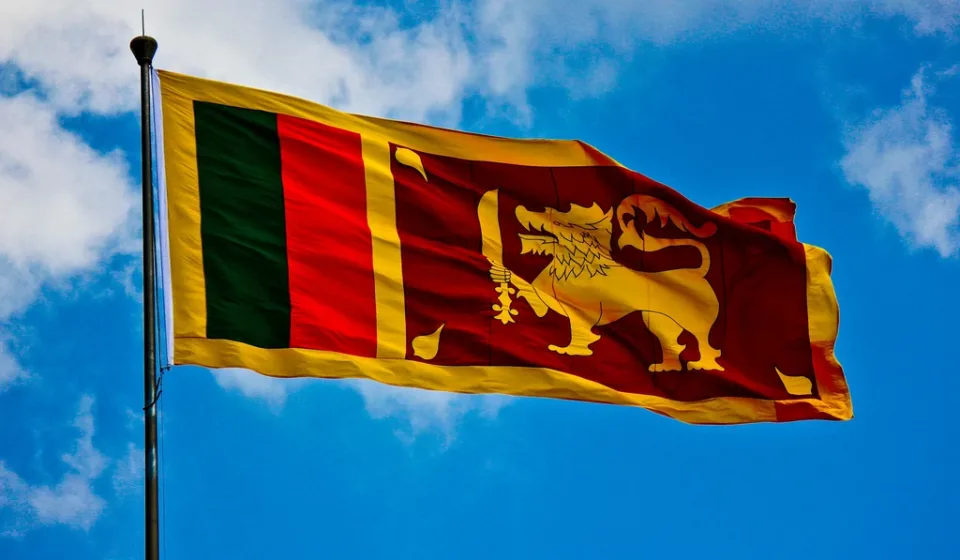
Sri Lanka is set to introduce significant changes to its casino industry with the implementation of new Sri Lanka gaming taxes in 2026. This move marks a major step by the government to regulate the rapidly growing gaming sector, enhance transparency, and boost public revenue. The forthcoming casino gaming levy is expected to impact both operators and players, reshaping business strategies, gaming experiences, and regulatory compliance across the country. As the industry prepares for these changes, understanding the scope and implications of these taxes is crucial for stakeholders and enthusiasts alike.
The Government of Sri Lanka has revealed plans to introduce a new casino gaming levy, set to commence in 2026. This initiative forms part of a comprehensive strategy aimed at regulating the gaming sector and enhancing government income.
Objectives of the New Levy
The new casino gaming levy aims to achieve several key objectives, such as:
- Strengthening regulatory oversight of the gaming sector
- Fostering transparency in financial dealings
- Elevating government revenue via taxation
This levy is expected to redefine Sri Lanka casino regulations by promoting a more accountable and structured gaming environment. Enhanced governance will benefit both the government and the local communities by ensuring that gaming revenues are appropriately allocated and monitored.
As the timeline progresses toward the implementation of these Sri Lanka gaming taxes, stakeholders in the casino industry are encouraged to prepare for these changes, considering the potential impacts on operations and compliance requirements. The initiative underscores the government’s commitment to cultivating a responsible and flourishing gaming landscape.
Background Information on Casino Gaming in Sri Lanka
Historical Context
The casino sector in Sri Lanka has experienced remarkable expansion over the years, drawing in both domestic and international gamers. However, this advancement has also sparked discussions about various social challenges and the need for regulatory adherence. The rapid evolution highlights the balancing act between economic growth and societal implications.
Current Gaming Regulations
At this time, the gaming landscape operates within a structured framework that encompasses:
- Licensing: Casinos must obtain licenses to operate legally, ensuring compliance with local laws.
- Taxation: The Sri Lanka gaming taxes are levied to generate revenue and support public services.
- Monitoring Mechanisms: Continuous oversight aims to mitigate illegal gambling, safeguarding players and maintaining integrity.
With a focus on enforcing Sri Lanka casino regulations, the government strives to create a secure environment for all involved while promoting responsible gaming practices.
Impact of the New Levy on Stakeholders
For Casino Operators
The newly imposed levy is projected to have significant financial implications for casino operators in Sri Lanka. To cope with this added tax liability, these establishments will likely need to revise their business strategies. Here are some potential adaptations:
- Reassessing pricing structures to maintain profitability
- Implementing cost-cutting measures to offset the tax impact
- Exploring innovative marketing efforts to attract more customers
For Consumers
Consumers may notice some shifts in their gaming expenses as casino operators might transfer the weight of the increased taxes onto them. This could result in:
- Higher gaming fees or entrance costs
- Reduced promotions and special offers
- Altered loyalty programs that may lessen rewards
With the adjustment of Sri Lanka gaming taxes and new casino gaming levies, understanding these changes is essential for all participants in the gaming industry. Remaining informed about Sri Lanka casino regulations can help stakeholders navigate the evolving landscape effectively.
Global Trends in Casino Levy Structures
Comparative Analysis with Other Countries
| Country | Levy Rate | Year of Implementation |
|---|---|---|
| Australia | 10% | 2020 |
| Singapore | 15% | 2010 |
| Macau | 35% | 2002 |
Best Practices from Successful Models
Numerous nations have implemented effective taxation and regulatory frameworks that can provide valuable insights for Sri Lanka’s gaming taxes. Here are some noteworthy practices:
- Consistent Review: Regular assessments of levy rates to align with economic changes.
- Transparent Regulations: Clear guidelines foster trust and compliance among operators.
- Community Engagement: Involving stakeholders in decisions enhances legitimacy and acceptance.
- Data-Driven Strategies: Utilizing analytics to shape informed policy decisions.
By leveraging these successful models, Sri Lanka casino regulations can be crafted to support a viable and competitive environment for casino gaming levies while maximizing revenue potential.
Concerns and Criticisms

Industry Reactions
Apacaff | Several prominent figures in the gaming sector have voiced their apprehensions regarding the anticipated adverse impacts that the newly proposed Sri Lanka gaming taxes might have on business sustainability and future growth opportunities. Key concerns include:
- Increased operational costs for casinos
- Potential decline in revenue due to reduced competitiveness
- Challenges in attracting international investors
Social Implications
Analysts contend that a surge in casino gaming levies could further exacerbate ongoing social challenges. Critics highlight that elevated taxes may intensify issues surrounding gambling dependency and the necessity for responsible gaming measures. Some of the highlighted social concerns include:
- Growing prevalence of gambling addiction among citizens
- Increased demand for support services and rehabilitation programs
- Concerns about the societal perception of gambling activities
As discussions continue around the impacts of the Sri Lanka casino regulations, it’s crucial to consider both industry and social perspectives to foster a balanced approach moving forward.
Future Outlook for the Casino Industry
Predicted Trends
Analysts predict that the casino environment in Sri Lanka may undergo significant transformations in the years ahead, particularly depending on the enforcement of the new gaming levy.
- Shifts in regulatory frameworks
- Emergence of online gaming platforms
- Enhanced focus on player protection and responsible gaming practices
Potential for Growth
While there are valid concerns surrounding the new levy, it could also pave the way for groundbreaking gaming solutions and foster responsible gaming efforts.
- Innovation in gaming technologies and experiences
- Investment in sustainable gaming practices
- Improved regulatory compliance under Sri Lanka casino regulations
With the evolving landscape of Sri Lanka gaming taxes and casino gaming levies, the industry holds promise for both growth and modernization, benefitting players and operators alike.
Conclusion
The introduction of the new casino gaming levy in Sri Lanka signifies a transformative phase for the gaming sector, presenting an opportunity to redefine the regulatory framework and affect various players within the industry. As we approach 2026, it is essential for stakeholders to be proactive in adapting to these important changes.
- Impact on Revenue: The Sri Lanka gaming taxes are expected to enhance government revenue, benefiting public services.
- Stakeholder Adjustments: Operators, investors, and players must prepare for new Sri Lanka casino regulations.
- Compliance: Understanding and adhering to the latest regulations will be vital for sustaining operations.
- Potential Challenges: As changes unfold, businesses may face hurdles that require strategic adjustments.
- Future Opportunities: Embracing these reforms could unlock new avenues for growth within the industry.
In conclusion, the evolving landscape of casino gaming levies in Sri Lanka requires a collective effort to ensure a smooth transition. Staying informed and adaptable will be the keys to success in this dynamic sector.