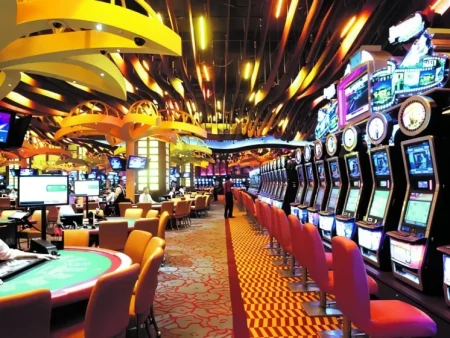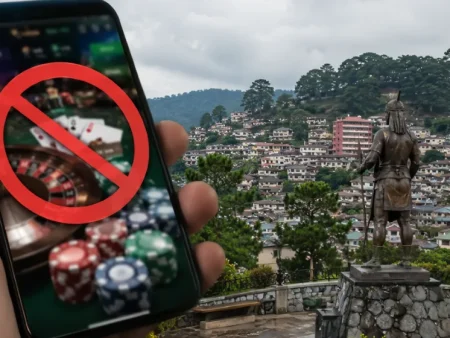


The Philippines government casino ban for employees has emerged as a major development in the global gambling industry, signaling a stronger push toward transparency and ethical governance. As one of Asia’s leading casino markets, the Philippines has long balanced rapid industry growth with the need for tighter regulation. This latest move reflects the government’s commitment to ensuring fairness, preventing conflicts of interest, and promoting responsible gaming practices.
With casino operations contributing significantly to tourism and national revenue, the introduction of the Philippines government casino ban for employees is not just a local policy shift—it carries broader implications for the global gaming landscape. Industry stakeholders, regulators, and analysts are closely watching how this regulation reshapes workforce policies, operational standards, and long-term investor confidence in the sector.
The casino sector in the Philippines has witnessed significant growth over the past decade, attracting both local and international players. The industry plays a vital role in the nation’s tourism, offering diverse entertainment options and employment for thousands. However, the Philippines government casino ban for employees aims to maintain the integrity and fairness of the gaming environment.
Recent Developments in Gambling Legislation
In recent months, the Philippines government has enacted strict measures to regulate the gaming industry. Key highlights include:
- Implementation of a ban on all casino employees from participating in gaming activities.
- Enhanced oversight to ensure compliance with gaming laws.
- Regular audits to monitor any potential financial discrepancies.
These changes aim to protect the workforce and uphold ethical standards within casinos.
Gambling contributes significantly to the national economy, generating millions in revenue yearly. However, it also poses potential risks, including:
- Problem gambling and its effects on individuals’ financial stability.
- Concerns regarding corruption and fraud within the industry.
- Public health issues related to gambling addiction.
The Philippines government casino ban for employees is a step toward mitigating these risks while emphasizing responsible gaming practices.
Details of the New Regulation
Overview of the Ban
Apacaff | The Philippines government casino ban for employees is a significant regulatory change aimed at ensuring the integrity of the gambling industry. This new regulation prohibits certain employees from participating in gaming activities, making it essential for all staff to understand the implications of this ban.
Who is Affected?
This regulation specifically targets various categories of casino personnel, including:
- Dealers and croupiers
- Security staff
- Management and supervisory employees
- Marketing and promotional teams
All workers within these roles are prohibited from gambling in their establishments to maintain the ethical standards of the industry.
Regulatory Authorities Involved
The implementation of this ban is overseen by key government agencies, including:
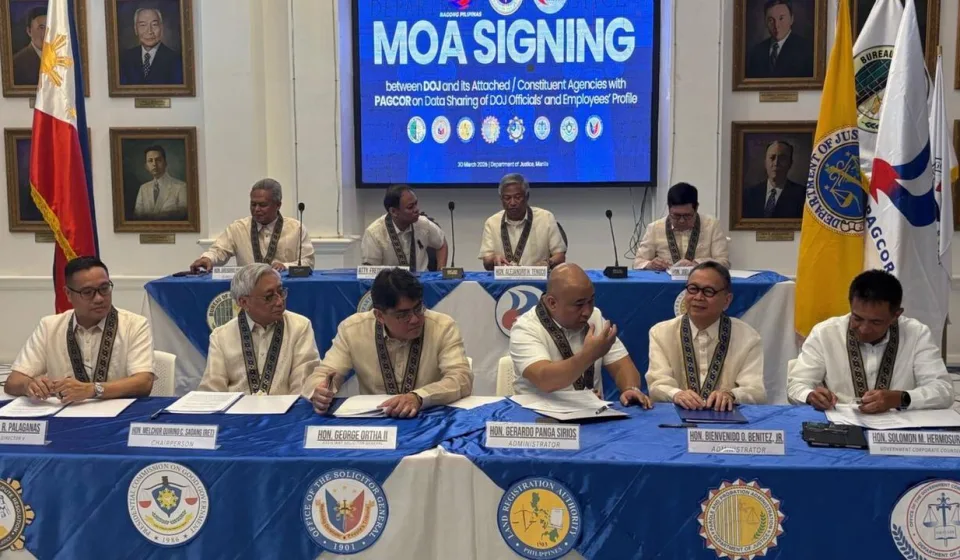
- Philippine Amusement and Gaming Corporation (PAGCOR)
- Department of Justice (DOJ)
- Local law enforcement agencies
These authorities are responsible for enforcing the rules and conducting regular audits to ensure compliance among casino employees.
As this regulation takes effect, it is crucial for all involved parties to be fully informed and compliant to foster a responsible gaming environment.
Reasons Behind the Ban
Preventing Conflicts of Interest
One of the primary motives for the Philippines government casino ban for employees is to avert conflicts of interest. This regulation ensures that government workers maintain impartiality in their duties. When employees engage in gambling activities, it poses risks of bias and ethical dilemmas. Key points include:
- Safeguarding fair governance
- Avoiding potential corruption
- Ensuring transparency in decision-making
Addressing Addiction and Responsible Gaming
The Philippines government casino ban for employees also aims to tackle gambling addiction and promote responsible gaming. By prohibiting staff members from participating in casinos, the government supports a healthier lifestyle. This initiative highlights:
- The importance of awareness regarding gambling-related problems
- Encouragement of safe gaming practices
- Prevention of potential financial distress among employees
Public Sector Integrity
Maintaining integrity within the public sector is crucial. The Philippines government casino ban for employees reinforces the notion that public servants should exemplify ethical behavior. This commitment helps to:
- Build public trust
- Uphold the reputation of the government
- Foster a culture of accountability
In conclusion, the ban serves as a proactive measure to promote fairness, prevent addiction, and ensure the integrity of public service.
Reactions from Stakeholders
Government Officials’ Statements
In light of the recent Philippines government casino ban for employees, several government officials have shared their insights:
- Secretary of Finance: Emphasized job security for casino workers while highlighting the need for responsible gaming environments.
- Department of Labor and Employment: Stressed the importance of protecting workers’ rights and ensuring fair working conditions.
- Local Legislators: Raised concerns over the potential negative impact on local economies that rely on the casino industry.
Industry Perspectives
Industry leaders have expressed mixed reactions regarding the ban:
- Casino Operators: Some argue that this regulation could drive experienced staff away and hinder growth.
- Advocates for Reform: Praise the government’s initiative, believing it fosters a safer, more ethical environment for all casino workers.
- Economic Analysts: Warn of potential job losses in a fragile economic landscape and urge for alternative solutions.
Public Opinion
The public seems divided over the Philippines government casino ban for employees:
- Many support the ban, believing it protects employees from addictive behaviors.
- Others fear it could lead to increased unemployment rates in affected regions.
- Surveys reveal that public perception varies greatly between urban and rural areas, indicating differing priorities.
Comparative Analysis with Other Countries
Similar Bans in Asia
In the realm of gambling regulations, various Asian nations have established similar bans, resembling the Philippines government casino ban for employees. These prohibitions aim to ensure the integrity of the gaming industry and promote responsible gambling practices. Some notable examples include:
- China: Employees in state-run casinos are forbidden from participating in gambling activities.
- Singapore: Mandates a strict employment policy that restricts casino staff from gambling.
- Malaysia: Local casino employees face bans on gambling to maintain ethical standards within the industry.
Different Approaches to Gambling Regulation Worldwide
Across the globe, nations adopt diverse strategies when it comes to gambling oversight, reflecting a range of cultural attitudes and legal frameworks. Key distinctions include:
- Strict Licensing: Countries like the UK enforce stringent licensing requirements, ensuring only vetted individuals engage in gambling.
- Taxation Policies: The USA employs varying state regulations, with some states opting for higher taxes on gambling revenues, impacting industry operations.
- Incentives for Responsible Gambling: Several nations provide resources and support for responsible gambling initiatives to safeguard the public.
Lessons from International Practices
The ongoing review of global gambling regulations offers valuable insights that the Philippines government casino ban for employees can leverage to bolster its policies:
- Community Engagement: Actively involve communities in discussions surrounding gambling policies to ensure transparency and build trust.
- Education and Awareness: Implement educational programs about the risks associated with gambling for both employees and the public.
- Continuous Evaluation: Regularly assess the effectiveness of existing bans to adapt and improve regulatory frameworks.
Potential Consequences of the Ban
Short-term Impacts
In the immediate aftermath of the Philippines government casino ban for employees, various repercussions are likely to be observed. These consequences can be felt across multiple sectors and demographics. Key short-term effects include:
- Decrease in disposable income for affected employees, leading to reduced consumer spending.
- Sudden loss of jobs for many workers in the casino industry, increasing claims for unemployment benefits.
- Erosion of local business revenue, especially for establishments relying on casino patrons.
Long-term Economic Effects
The ban may usher in notable long-term economic transformations, potentially reshaping the landscape of the Philippine economy. Some predicted outcomes include:
- Decline in tourism as casinos attract fewer visitors, affecting hotels and restaurants.
- Altered investment climate, as foreign investors may be hesitant to enter a market with restrictions.
- Shift towards alternative entertainment sectors, promoting new forms of leisure activities.
Possible Changes in Employment Rates
With the implementation of the Philippines government casino ban for employees, significant fluctuations in employment are expected. Consider the following points:
- Immediate rise in unemployment rates due to layoffs in the casino sector.
- Potential growth in new job opportunities in other industries as the economy adapts.
- Long-term workforce re-skilling initiatives aimed at helping former casino employees transition to different fields.
Future of Gambling in the Philippines
Predictions for Industry Growth
The gambling sector in the Philippines is anticipated to witness significant expansion in the years to come. Analysts forecast that:
- Investments from both local and international operators will surge.
- The influx of tourists seeking gaming experiences will continue to rise.
- New technology will enhance user experience and operational efficiency.
Long-term Regulatory Outlook
As the Philippines government casino ban for employees remains a crucial issue, it will shape the regulatory environment for the gambling industry. Here are key points to consider:
- Ongoing assessment of policies will likely focus on responsible gambling practices.
- Stricter enforcement of regulations will aim to curb illegal gambling activities.
- Collaborative approaches between the government and the industry can improve compliance and boost public trust.
Potential Developments in Online Gaming
The online gaming landscape in the Philippines is on the brink of transformation. Expect the following trends:
- A surge in live dealer games as technology evolves.
- Enhanced cybersecurity measures to protect users.
- Implementation of innovative payment solutions attracting a wider audience.
In conclusion, with the Philippines government casino ban for employees establishing boundaries, the future of gambling is looking bright, positioning the industry for growth and resilience.
Conclusion
Summary of Key Points
- The Philippines government has enforced a strict casino ban for employees, aiming to maintain professional integrity.
- Employees are prohibited from engaging in any form of gambling within the casino premises, ensuring unbiased operations.
- This regulation is designed to protect both the employees and the overall reputation of the gaming industry in the Philippines.
Final Thoughts on the Regulation
The regulation surrounding the Philippines government casino ban for employees is a significant step toward fostering a transparent and fair gaming environment. By restricting employees from participating in gambling activities, the government seeks to eliminate potential conflicts of interest and upholds the integrity of the industry. This approach not only safeguards the players but also enhances the trustworthiness of the casinos themselves.
Looking Ahead: The Future of Gambling Regulations
As the gaming landscape continues to evolve, the Philippines government may introduce further regulations to adapt to emerging trends and technologies. The challenge will lie in balancing industry growth with adequate protections for both employees and players. Here are a few possibilities for future regulations:
- Enhanced monitoring systems to oversee employee activities more effectively.
- Increased compliance measures to ensure adherence to the casino ban for employees.
- Potential expansion of regulatory frameworks to include online gambling platforms.
In conclusion, the Philippines government casino ban for employees can set a precedent for other regions to follow suit, promoting a fairer gaming environment globally.