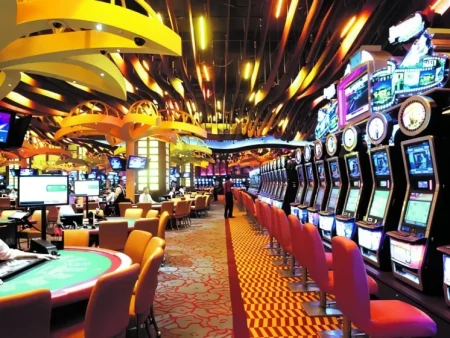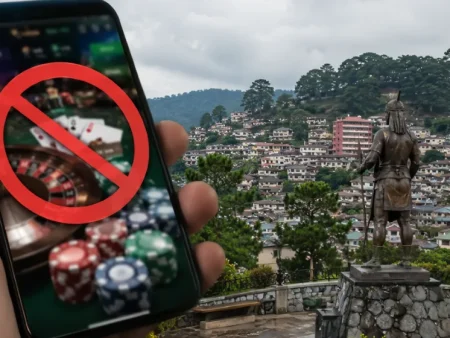


In recent years, gambling advertisements have become increasingly prominent, appearing across billboards, television, social media, and online platforms. While these promotions generate revenue for businesses, they also raise concerns about public health, particularly the exposure of minors and vulnerable populations to gambling. In response, Pasig City has enacted the Pasig City Gambling Advertisement Ban, a groundbreaking ordinance aimed at limiting the visibility of gambling promotions and promoting responsible gaming. This move highlights the city’s commitment to protecting community welfare while balancing the entertainment and economic interests of the gambling industry. Key aspects of gambling marketing include:
- Targeting young or vulnerable demographics.
- The persuasive nature of promotional offers.
- Risks of addiction associated with excessive exposure.
The Pasig City Gambling Advertisement Ban plays a crucial role in governing gambling promotions. It aims to ensure a balance between a thriving entertainment sector and community welfare. Here’s why regulation is of paramount importance:
- Protects minors and vulnerable populations from exposure to gambling.
- Minimizes the chances of gambling addiction and related social issues.
- Ensures that advertising practices are fair and transparent.
These regulations not only serve to safeguard the community but also promote a healthier gaming environment, aligning with the values of responsible entertainment. As the landscape of gambling continues to evolve, the impact of effective regulation in Pasig City remains a significant discussion point for stakeholders.
Pasig City Bans Gambling Advertisements
Details of the Ban
Pasig City has enacted a new ordinance prohibiting gambling advertisements across the municipality. This regulation aims to reshape the advertising landscape by limiting exposure to gambling promotions.
- Effective immediately from the announcement date
- Applies to all forms of media, including billboards, television, and social media
- Violators of the ban may face fines or penalties
Purpose of the Ban
The primary objective behind the Pasig City Gambling Advertisement Ban is to foster a healthier environment for residents. By limiting the visibility of gambling-related promotions, the city government aims to:
- Protect vulnerable populations from gambling addiction
- Promote responsible entertainment options
- Enhance community welfare and public safety
Immediate Impact on Local Residents
The immediate effects of this ban are apparent throughout the city. Residents are responding positively, citing:
- Greater awareness of gambling risks
- A more family-friendly atmosphere in public spaces
- Reduced temptation and pressure associated with gambling activities
This landmark decision signifies Pasig City’s commitment to prioritizing community health and well-being over commercial interests, creating a safer environment for all its citizens.
Background on Gambling in the Philippines
Historical Perspective
Apacaff | The roots of gambling in the Philippines stretch back hundreds of years, reflecting its rich cultural tapestry. From traditional games enjoyed in local communities to the establishment of organized betting venues, the evolution of gambling has been significant. Here are some key milestones:
- Spanish colonial era introduced formal betting systems.
- The lottery was legalized in 1866, paving the way for regulated gambling.
- The Philippine Amusement and Gaming Corporation (PAGCOR) was founded in 1977, consolidating gambling regulation.
Current Gambling Landscape
In modern times, the gambling scene in the Philippines has expanded extensively, accommodating a variety of gaming options that attract both locals and tourists alike. Notable aspects include:
- Numerous casinos operating under PAGCOR regulations.
- Online gambling platforms gaining popularity, with a substantial number of international players.
- Continued discussions surrounding the Pasig City Gambling Advertisement Ban, which aims to regulate promotional content.
Public Attitudes Towards Gambling
Public opinion on gambling in the Philippines is varied, with a mix of support and concern. Factors influencing attitudes include:
“While gambling is viewed as a legitimate form of entertainment by many, others express concerns over its potential social impacts.”
- Supporters argue that gambling boosts the economy and creates jobs
- Opponents highlight the risks of addiction and financial loss
- The Pasig City Gambling Advertisement Ban has led to discussions on responsible gaming practices
Regulatory Framework
Government Agencies Involved
In Pasig City, several government bodies oversee the enforcement and regulation of gambling activities. Key agencies include:
- Philippine Amusement and Gaming Corporation (PAGCOR) – Responsible for regulating gambling operations.
- Department of the Interior and Local Government (DILG) – Ensures local compliance with national regulations.
- Local Government Unit (LGU) of Pasig – Implements local policies regarding gambling advertisements.
Legislation Governing Gambling
The Pasig City Gambling Advertisement Ban is stipulated under local ordinances that seek to control gambling advertisements and protect the community from potential negative impacts. Key legislation includes:
- City Ordinance No. 1234 – Prohibits all forms of gambling advertisements within certain city limits.
- Republic Act No. 9487 – Governs the operations of gambling establishments nationwide, including advertising standards.
Comparison with Other Countries
When analyzing the Pasig City Gambling Advertisement Ban, it is interesting to compare it with international practices:
| Country | Regulations on Gambling Ads |
|---|---|
| United Kingdom | Strict guidelines requiring clear messaging and responsible gambling promotions. |
| Australia | Prohibits gambling ads during live sports broadcasts. |
| Germany | Regulated but allowed under certain conditions with strong oversight. |
This comparison underscores how the Pasig City Gambling Advertisement Ban falls in line with global trends aimed at promoting responsible gambling and protecting communities.
Implications of the Ban
Effects on Local Businesses
The Pasig City Gambling Advertisement Ban is set to have significant repercussions for local enterprises. Here are some key impacts:
- Decrease in foot traffic to businesses near gambling venues.
- Potential loss of revenue for establishments reliant on gambling advertisements.
- Opportunity for businesses to pivot towards alternative forms of marketing to attract customers.
Potential Changes in Gambling Behavior
This ban may also shift how residents engage with gambling:
- Increased likelihood of underground gambling operations due to restricted advertising.
- A rise in online gambling as traditional venues become less visible.
- Changes in public perception of gambling, potentially leading to heightened awareness of its risks.
Long-term Projections
Looking ahead, the Pasig City Gambling Advertisement Ban could produce some long-lasting effects:
| Time Frame | Estimated Outcome |
|---|---|
| Short-term (1-2 years) | Decrease in gambling-related activities and advertisement visibility. |
| Medium-term (3-5 years) | Adaptation of local businesses towards alternative marketing strategies. |
| Long-term (5+ years) | Potential stabilization of gambling habits and community perception. |
Overall, the Pasig City Gambling Advertisement Ban may reshape local landscapes, influencing not only businesses but also residents’ attitudes towards gambling.
Community Response
Public Opinion on the Ban
The Pasig City Gambling Advertisement Ban has stirred various reactions within the community. Many citizens have expressed strong support for the initiative, citing the potential for reduced gambling addiction and prevention of financial distress. Key opinions include:
- Support for the Ban: Residents believe that restricting gambling ads will protect vulnerable groups, including youth and low-income families.
- Concerns Over Freedom: Some individuals argue that the ban infringes on personal choice and the freedom of businesses to advertise their services.
- Awareness: Many are thankful for increased awareness regarding the risks associated with gambling due to the discussions ignited by the ban.
Involvement of Local Organizations
Several local organizations have taken an active role in supporting the Pasig City Gambling Advertisement Ban. Their involvement has included:
- Raising Awareness: Non-profits are educating the community about the dangers of gambling through workshops and informational campaigns.
- Advocacy: Local advocacy groups are lobbying for stricter measures against gambling in entertainment venues.
- Community Programs: Initiatives that focus on responsible gaming and addiction recovery are gaining traction.
Reactions from Gambling Operators
Gambling operators have voiced mixed feelings about the Pasig City Gambling Advertisement Ban. Their reactions can be summarized as follows:
- Criticism: Some operators argue the ban could negatively impact their business, leading to a decrease in customer engagement.
- Health Initiatives: Others are considering green initiatives that promote responsible gaming practices and counteract negative perceptions.
- Adaptation Strategies: Several operators are developing alternative marketing strategies that comply with new regulations.
Moving Forward: Future of Gambling in Pasig City

Potential for More Regulations
As the landscape of Pasig City gambling advertisement ban evolves, additional regulations may be on the horizon. Policymakers are likely to consider the following:
- Enhanced age verification processes to ensure responsible gambling
- Stricter penalties for non-compliance with existing regulations
- Increased transparency requirements for gambling operators
Role of Technology in Gambling
Technology is revolutionizing the gambling experience in Pasig City. Key advancements include:
- Mobile betting applications that allow users to gamble on-the-go
- Blockchain technology ensuring secure and transparent transactions
- AI-driven tools for personalized user experiences and responsible gaming initiatives
Predictions for Industry Growth
The future looks promising for the gambling sector despite the Pasig City gambling advertisement ban. Analysts forecast:
| Year | Expected Growth Rate | Market Initiatives |
|---|---|---|
| 2024 | 5% | Launch of new casinos |
| 2025 | 8% | Integration of VR experiences in gaming |
| 2026 | 10% | Expansion of online betting platforms |
In summary, the future of gambling in Pasig City appears vibrant, with advancements in regulations, technology, and significant growth opportunities on the horizon.
Conclusion
Summary of Key Points
In summary, the Pasig City Gambling Advertisement Ban aims to regulate the promotion of gambling activities in the area. This significant move is accompanied by several key elements, including:
- A tighter control on the advertisements related to gambling.
- The intention to reduce the exposure of gambling to the public, especially minors.
- Enhanced oversight by regulatory bodies to ensure compliance.
Final Thoughts on the Ban
The implementation of the Pasig City Gambling Advertisement Ban marks a pivotal moment in managing gambling activities. While it seeks to protect the community, especially vulnerable individuals, it also raises questions about personal freedom and the impact on businesses. As we navigate this evolving landscape, observing how the ban influences public perception and gambling behaviors will be crucial. Only time will reveal its true effectiveness in creating a balanced approach to gambling regulations.
| Key Term | Description |
|---|---|
| Gambling | The act of risking money on an event with an uncertain outcome. |
| Advertising Ban | A prohibition on promoting certain products or services. |
| Regulatory Body | An organization tasked with overseeing compliance with legal standards. |