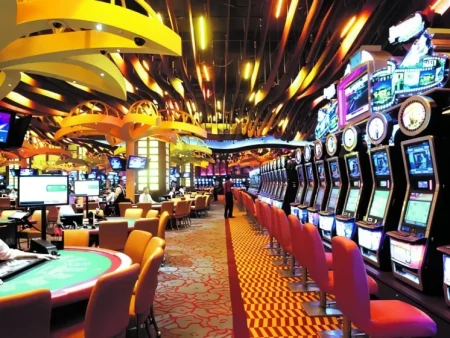


The New Zealand casino credit card ban 2026 marks a major turning point in the global gambling industry, signaling a stronger commitment to responsible gaming and consumer protection. Under this upcoming regulation, casinos across New Zealand will be prohibited from accepting credit cards for gambling transactions, a move designed to curb debt-driven betting and reduce gambling-related harm. As countries worldwide continue to tighten gambling regulations, New Zealand’s decision places it among leading jurisdictions adopting stricter controls on casino payment methods. With the ban set to take effect in 2026, both players and casino operators are preparing for significant changes that could reshape gambling behavior and influence regulatory trends well beyond New Zealand’s borders.
New Zealand boasts a vibrant casino landscape, offering a variety of gaming experiences to its residents and visitors alike. As of now, the casinos operate under specific regulations that ensure a safe and enjoyable environment. Notably, the New Zealand casino credit card ban 2026 is set to reshape how players can engage with their favorite games.
- Various payment options including cash, debit cards, and e-wallets
- Online casinos gaining popularity with flexible gaming experiences
- Stricter measures aimed at responsible gambling practices
Regulations play a crucial role in maintaining the integrity of the gaming industry. They protect players and ensure fairness in operations. The impending gambling policy changes not only focus on player safety but also on regulating casino payment methods.
Here are a few reasons why these regulations are essential:
Protects consumers from fraud
Ensures responsible gambling practices
Promotes a safe gaming environment
As we approach the implementation of the New Zealand casino credit card ban 2026, it’s important that players stay informed about the upcoming changes to ensure their gaming experience is enjoyable and secure.
New Zealand’s New Gambling Policy
Details of the Credit Card Ban
In an effort to enhance consumer protection and mitigate gambling-related harm, New Zealand has announced a pivotal casino credit card ban set to take effect in 2026. This regulation will prohibit the use of credit cards for making payments at casinos, impacting how players engage with gaming establishments. Here are the key aspects of this policy:
- Prohibition of Credit Card Use: Players will no longer be able to use credit cards as a payment method in casinos, encouraging responsible gambling.
- Alternative Payment Methods: Casinos are encouraged to adopt safer payment options, such as debit cards and prepaid cards, to facilitate transactions.
- Player Protection: This move aims to reduce the risk of significant debt among gamblers, promoting a healthier gaming environment.
Implementation Timeline
The timeline for implementing the New Zealand casino credit card ban 2026 is crucial for all stakeholders. Here’s how it looks:
| Phase | Date | Description |
|---|---|---|
| Announcement | January 2024 | The government officially reveals the ban on credit card payments. |
| Stakeholder Engagement | Mid-2024 | Consultations with casino operators and financial institutions on transitioning to new payment methods. |
| Implementation | January 2026 | The ban officially takes effect, with all casinos required to comply. |
These gambling policy changes mark a significant shift in the landscape of casino payment methods, aiming to create a safer environment for all players.
Implications of the Credit Card Ban
Impact on Gamblers
The New Zealand casino credit card ban 2026 will significantly change how gamblers manage their funds. Here are some potential effects on gamblers:
- Payment Alternatives: Players will need to adopt alternative payment methods such as debit cards, e-wallets, or prepaid cards.
- Spending Control: By eliminating credit card usage, gamblers may experience better control over their gambling budgets.
- Accessibility Challenges: Some players might face challenges in funding their accounts quickly, affecting their gaming experience.
Effect on Casino Revenues
The transition to new gambling policy changes may have profound implications for casino revenues. Key points to consider include:
- Revenue Fluctuation: Initial cash flow may decline as gamblers adjust to new payment methods.
- Increased Costs: Casinos may incur additional costs to implement and promote alternative payment systems.
- Long-term Benefits: In the long run, it could lead to a healthier gambling environment and potentially loyal customers who appreciate responsible gaming practices.
In summary, the New Zealand casino credit card ban 2026 introduces significant shifts in both player habits and casino financials, marking a pivotal moment in the evolution of gambling policy.
Public Reaction to the Ban
Support from Responsible Gambling Advocates
Apacaff | In response to the New Zealand casino credit card ban 2026, many advocates for responsible gambling have expressed their backing for this pivotal decision. They argue that eliminating credit card transactions at casinos provides a safer environment for players by reducing the risk of accumulating debt. Key highlights include:
- Enhanced player protection and less impulsive gambling behavior.
- Encouragement of healthier gambling habits and financial responsibility.
- Potential for a decrease in gambling-related harms in the community.
Concerns from Casino Operators
Conversely, casino operators have voiced significant apprehensions about the gambling policy changes. They believe that the prohibition of credit card payments could negatively impact their revenue and customer engagement. Major concerns include:
- Reduced accessibility for players who prefer using credit for quick transactions.
- Potential drop in visitor numbers to casinos, leading to financial strain on operations.
- Challenges in adapting to new casino payment methods, impacting overall efficiency.
As the debate continues, a balanced approach that addresses both player safety and the business viability of casinos remains essential. The government aims to foster responsible gambling without undermining the casino industry, ensuring a fair outcome for all stakeholders involved.
Comparative Analysis with Other Countries
Similar Restrictions in Other Regions
As New Zealand gears up for the New Zealand casino credit card ban 2026, it’s insightful to look at other nations that have implemented similar gambling policy changes. Several countries have already taken steps to restrict the use of credit cards in casinos, aiming to promote responsible gambling practices. Here are a few notable examples:
- Australia: A nationwide initiative to limit credit card usage at gambling venues, aiming to protect vulnerable players.
- United Kingdom: The UK Gambling Commission has banned credit card payments for online gambling since 2020, enhancing player safety.
- Canada: Provincial regulations increasingly discourage credit use in casinos, promoting more sustainable payment options.
- Spain: Introduced measures to limit credit card transactions for online betting platforms to mitigate addiction risks.
Outcomes of Previous Regulations
The implementation of such regulations often yields significant results. A comparative analysis reveals several common outcomes:
- Decrease in Gambling Addictions: Many countries noted a reduction in addiction cases following credit card payment restrictions.
- Improved Financial Management: Players reportedly developed better budgeting practices without automatic credit access.
- Increased Awareness: Regulatory changes often lead to heightened public awareness regarding responsible gambling.
- Shift in Payment Methods: Casinos began exploring alternative payment options, enhancing overall transaction safety.
With the upcoming New Zealand casino credit card ban 2026, it will be pivotal to monitor the results and effectiveness of these measures, potentially setting a standard for future gambling policy changes globally.
Potential Alternatives for Casino Financing
Other Payment Methods for Players
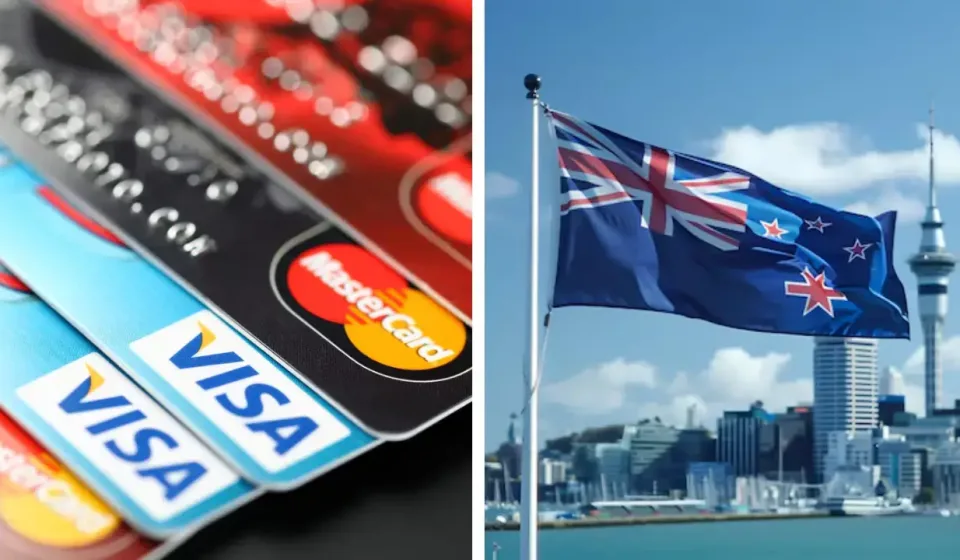
As the New Zealand casino credit card ban 2026 approaches, players will need to explore various alternatives for funding their gaming activities. Here are some viable options:
- Bank Transfers: Direct transfers from bank accounts offer a secure way for players to manage their gambling budgets.
- e-Wallets: Digital wallets like PayPal and Skrill provide instant transactions while ensuring privacy.
- Cryptocurrencies: Digital currencies, such as Bitcoin, are gaining traction for their convenience and anonymity.
- Prepaid Cards: These cards allow players to load a specific amount, providing better control over their spending.
Increased Focus on Safe Gambling Practices
In light of gambling policy changes, New Zealand is prioritizing responsible gaming. As financial options evolve, the emphasis on safe gambling is becoming more pronounced. Here are some important aspects:
| Safe Gambling Measures | Description |
|---|---|
| Self-Exclusion | Players can voluntarily restrict their access to gaming platforms to prevent excessive gambling. |
| Budgeting Tools | Many casinos now offer tools that help manage spending, promoting a balanced approach to gambling. |
| Educational Resources | Informative content about the risks associated with gambling encourages players to make informed decisions. |
As the landscape of casino payment methods evolves, these alternatives and practices will provide players with safer betting environments while staying compliant with new regulations.
Next Steps for Implementation
Government Action Plan
As we move forward with the New Zealand casino credit card ban 2026, it’s crucial that the government formulates a robust action plan. This plan should encompass several key initiatives to ensure a smooth transition:
- Establish a timeline for implementing the ban on credit card usage in casinos.
- Conduct thorough research on the effects of gambling policy changes on consumer behavior.
- Collaborate with financial institutions to develop alternative casino payment methods.
- Develop educational campaigns about responsible gambling practices.
Engagement with Stakeholders
Engaging with all relevant stakeholders is vital to the success of this policy. By incorporating a variety of perspectives, we can create comprehensive strategies:
- Involve casino operators in discussions to address any operational challenges.
- Partner with gambling advocacy groups to ensure the needs of vulnerable populations are addressed.
- Organize public forums to gather community feedback on the anticipated changes.
- Foster cooperation with technology providers to enhance casino payment methods that align with the new regulations.
By focusing on these essential steps, New Zealand can lead the way in responsible gambling practices while addressing the concerns surrounding the upcoming gambling policy changes.
Conclusion
Summary of Key Points
The upcoming New Zealand casino credit card ban 2026 is set to bring significant shifts in the gambling landscape. Here are the main takeaways:
- The ban will restrict the use of credit cards for gambling activities.
- This initiative aims to promote responsible gambling and reduce financial risks.
- Enhanced gambling policy changes are anticipated to reshape casino payment methods.
- Discussions are ongoing regarding alternative payment options for players.
Looking Ahead to 2026
As we approach 2026, the gambling policy changes will likely prompt both casinos and players to adapt to new payment regulations. Here’s what to expect:
| Implications | Potential Changes |
|---|---|
| Increased Focus on Responsible Gambling | More resources and tools for players will be accessible to promote safe gambling practices. |
| Shift in Casino Payment Methods | Exploration of digital platforms, e-wallets, and cryptocurrency options for transactions. |
| Public Awareness Campaigns | Educational programs aimed at informing the public about the impacts of gambling. |
The enforcement of the New Zealand casino credit card ban 2026 signals a transformative phase for the gambling industry, encouraging a shift towards safer payment practices and promoting a healthier gambling environment.