

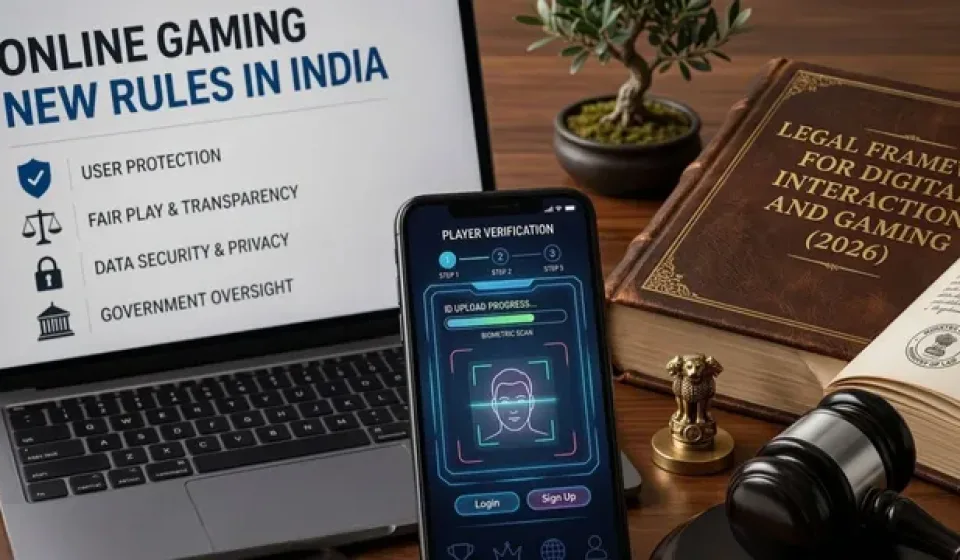
The rollout of the India gaming regulations 2026 marks a pivotal moment in the evolution of the global gaming industry. As one of the fastest-growing gaming markets in the world, India is taking a decisive step toward establishing a unified and transparent regulatory framework. The introduction of a centralized gaming authority aims to address long-standing issues such as inconsistent state laws, lack of oversight, and concerns around player protection.
These new regulations are not only expected to reshape the domestic market but also position India as a more attractive destination for international investors and gaming operators. With clearer rules, stricter compliance standards, and a strong focus on responsible gaming, the India gaming regulations 2026 could set a benchmark for emerging markets looking to formalize their gaming sectors.
The newly established Gaming Authority in India is set to revolutionize the gaming landscape in the country. This regulatory body aims to ensure fairness, accountability, and transparency in the gaming industry, catering to the diverse needs of gamers and operators alike.
Purpose of Establishment
- To regulate online and offline gaming platforms effectively.
- To promote responsible gaming practices and raise awareness about gambling-related issues.
- To facilitate the growth of the gaming sector by providing a structured framework.
- To safeguard consumers’ interests and ensure a fair playing environment.
Key Regulations Under the New Rules
Licensing Requirements
In accordance with the India gaming regulations 2026, operators seeking to engage in gaming activities must adhere to stringent licensing protocols. Each gaming entity will now require a valid license issued by the newly established gaming authority in India. This regulatory body has laid out essential licensing criteria:
- Submission of a comprehensive application
- Background checks on key personnel
- Provisions for financial stability and transparency
- Compliance with state-specific regulations
Advertising Guidelines
To ensure ethical promotion of gaming platforms, the following advertising guidelines have been defined:
- Advertisements must not mislead or create a false sense of security about winning.
- Promoting responsible gaming practices is mandatory.
- All ads should include a disclaimer about age restrictions.
Age Restrictions
As part of the new gaming authority in India‘s commitment to safeguarding young individuals, stringent age restrictions have been implemented:
- All gaming participants must be 18 years or older.
- Operators are required to implement robust age verification systems.
- Regular audits to ensure compliance with age regulations.
Reinforcing these regulations is vital for maintaining a safe and fair gaming environment across India, establishing a balanced approach to this burgeoning industry.
Impact on the Gaming Industry
Effect on Existing Operators
The India gaming regulations 2026 are anticipated to reshape the landscape for established gaming operators. This transition will likely result in:
- Increased compliance requirements, leading to operational shifts.
- A potential rise in competitive pressure as players adapt to new standards.
- Opportunities for innovation in game design and user engagement.
Market Opportunities for New Entrants
The introduction of the new gaming authority in India opens doors for newcomers in the gaming sector. Some notable opportunities include:
- Access to a regulated environment that boosts consumer confidence.
- The ability to target an expanding demographic of gamers.
- Potential collaborations with technology partners for advanced gaming solutions.
Compliance Costs and Economic Implications
While the changes may increase upfront investment in compliance, the long-term benefits can outweigh these costs. Key elements to consider are:
| Consideration | Impact |
|---|---|
| Increased compliance costs | May reduce profit margins initially but ensure sustainability. |
| Structured market environment | Encourages fair competition and enhances market stability. |
| Consumer protection measures | Boosts user trust and encourages higher spending in the industry. |
Ultimately, navigating the India gaming regulations 2026 will require strategic planning, but the potential reward is substantial for both existing operators and newcomers alike.
Public Response to the New Legislation
Stakeholder Reactions
The introduction of the India gaming regulations 2026 has elicited mixed responses from various stakeholders:
- Game Developers: Many are optimistic about the regulatory support, believing it will promote fairness and transparency.
- Investors: Some investors view this as a lucrative opportunity, anticipating a surge in the gaming market.
- Consumer Advocates: They express concerns regarding player protection and responsible gaming measures.
- Regulatory Bodies: Officials are cautiously optimistic, emphasizing the importance of practical enforcement.
Public Opinion Surveys
Recent surveys reflect the sentiment of the general populace regarding the new gaming authority in India:
| Survey Aspect | Percentage / Findings |
|---|---|
| Support for Regulations | 68% in favor |
| Concerns about Addiction | 55% worried |
| Trust in Enforcement | 47% expressed doubt |
Discussion in Media
Media outlets are actively exploring the implications of the India gaming regulations 2026. Coverage includes:
- Featured articles analyzing the potential economic impact.
- Opinion pieces discussing how regulations may affect international investments.
- Interviews with key industry figures shedding light on future prospects.
As the dialogue continues, it will be essential to monitor evolving public sentiments and policy implementations.
International Comparisons
Gaming Authorities in Other Countries
Apacaff | As India advances towards establishing its new gaming authority in India, it is insightful to examine how other nations manage their gaming frameworks. Countries like Malta and the United Kingdom have well-defined regulatory bodies that ensure a safe and fair gaming environment. Key features of their systems include:
- Strict licensing requirements
- Robust player protection measures
- Regular audits and compliance checks
Best Practices from Successful Models
Implementing effective regulations requires learning from the best practices that successful models have developed. Here are a few notable practices:
- Transparent processes for player grievances
- Tax incentives to foster industry growth
- Adopting technology for real-time monitoring and data analysis
Lessons for India
India’s journey toward comprehensive gaming regulations 2026 can benefit greatly from these international insights. Some applicable lessons include:
| Lesson | Application in India |
|---|---|
| Collaboration with global experts | Engaging with international gaming authorities for guidance |
| Focus on responsible gaming | Implementing initiatives to promote safe gaming practices |
| Continuous evolution of regulations | Adapting laws to keep pace with emerging technologies and trends |
By incorporating these strategies, India can not only streamline its gaming legislation but also ensure a sustainable and vibrant gaming industry for the future. 💰
Future Outlook for Gaming in India
Projected Growth Trends
The gaming industry in India is poised for remarkable expansion, with an estimated growth trajectory of over 20% annually. This surge can be attributed to various factors, including:
- Increasing smartphone penetration
- Affordable data plans
- Growing interest in esports and online gaming competitions
As India gaming regulations 2026 take shape, we expect a more structured environment that encourages investments and innovation.
Technological Innovations
Technologies like augmented reality (AR) and virtual reality (VR) are making significant headway in the Indian gaming sector. These advancements promise to provide immersive experiences that attract a diverse audience. Key innovations include:
- Enhanced graphics and gameplay mechanics
- Integration of AI for personalized gaming experiences
- Cloud gaming services for seamless access to a variety of games
Potential Challenges Ahead
Despite the optimistic outlook, the path forward is not without challenges. The establishment of a new gaming authority in India is essential to tackle:
- Regulatory compliance and enforcement of fair play standards
- Protecting minors from inappropriate content
- Addressing issues related to gambling and gaming addiction
In conclusion, the future of gaming in India appears bright, provided that stakeholders work collaboratively to navigate the regulatory landscape and leverage innovations effectively.
Conclusion
Summary of Key Points
As we navigate toward 2026, the India gaming regulations 2026 are set to bring significant changes to the gaming landscape in the country. Here are some key takeaways:
- Establishment of a new gaming authority in India to oversee regulation and compliance.
- Enhanced consumer protection measures aimed at ensuring safer gaming experiences.
- Increased taxation on gaming activities, which will impact revenue streams within the industry.
- Encouragement of innovation and technology adoption through favorable policies.
Final Thoughts on Implementation
Implementing the proposed regulations and the formation of a new gaming authority in India is crucial for the sector’s growth and sustainability. Here are some pivotal considerations:
- Collaboration between industry stakeholders and regulatory bodies is essential for effective enforcement.
- Continuous monitoring and adjustments will ensure that the regulations remain relevant and effective.
- Education and awareness initiatives will help players understand the new legal framework.
- Stakeholders must remain alert to potential challenges during the transition phase.
- Emphasis should be placed on developing a fair gaming environment that fosters competition.
In conclusion, as we approach the future of gaming in India, staying informed and adaptable is key to thriving in this evolving landscape.