

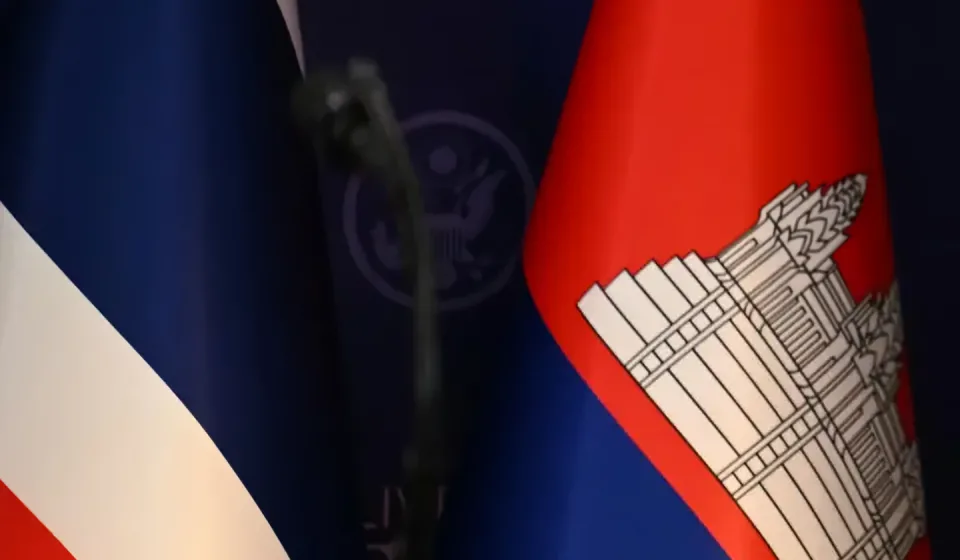
The Cambodia border arms report denial has become a focal point of regional and international attention following claims by Thai officials regarding an alleged weapons seizure near a casino along the Cambodia–Thailand border. Cambodian authorities have firmly rejected the allegations, stating that the reports are inaccurate and unsupported by verified evidence. The dispute has sparked wider discussion about border security, diplomatic trust, and the potential impact on bilateral relations, as governments and international observers closely monitor developments surrounding the incident.
The recent assertions made by Thai officials regarding the confiscation of weapons at a casino on the Cambodian border have attracted considerable media scrutiny. This incident has raised queries about security along the border and the broader implications for bilateral relations.
Overview of Cambodia-Thailand Relations
To fully comprehend the ramifications of the arms report denial, it’s essential to reflect on the longstanding relationship between Cambodia and Thailand. The history of these neighboring nations is marked by both cooperation and conflict. Here are some key points to consider:
- Historical disputes over territory and cultural heritage.
- Ongoing diplomatic engagement to foster peace and stability.
- Economic ties that encourage cross-border trade and tourism.
This backdrop highlights why the claims of arms trafficking are not just a matter of local concern but have significant implications for regional security and diplomatic relations. As both countries navigate this situation, it’s crucial to seek clarity and assurance regarding their commitments to maintain peace along the border.
Cambodia’s Official Response
Denial of Claims
Apacaff | Cambodian authorities have firmly rejected any allegations regarding their participation in the suspected arms seizure. This denial underscores the government’s stance on maintaining its integrity and regional relations.
Details from the Cambodian Government
To provide clarity on the matter, officials from the Cambodian Ministry of Defense have issued statements, emphasizing the following points:
- All allegations are baseless and lack credible evidence.
- Cambodia remains committed to peace and cooperation with neighboring countries.
- They urge the international community to refrain from jumping to conclusions without verified information.
The Cambodian government is determined to address these claims transparently, ensuring that any misinformation does not tarnish its reputation. The focus remains on enhancing regional security and collaboration while denying any association with the reported arms activities at the Cambodia border.
Analysis of the Claims
Examination of Evidence Presented by Thailand
A thorough evaluation of the data submitted by Thai officials raises questions about its credibility. The primary elements of the evidence include:
- Documentation detailing arms discovered at the border.
- Photographic proof showcasing the alleged items.
- Testimonies from local authorities regarding border activities.
However, the legitimacy of these claims is under scrutiny, with experts debating their substance and relevance. It’s essential to assess both the context and the motives behind such allegations.
Reactions from International Observers
The international community’s response to these claims has been varied:
- Some countries call for a detailed investigation to ascertain the facts.
- Others warn against premature conclusions without substantial proof.
- Cambodia has vehemently rejected the reports, urging for diplomatic dialogue.
Such reactions indicate a cautious approach, as global observers weigh in on the implications of the “Cambodia border arms report denial.” The narrative surrounding this segment is developing, and ongoing discussions are critical in understanding the broader geopolitical landscape.
Implications of the Incident
Tourism and Economic Impact
The recent developments concerning the Cambodia border arms report denial could significantly influence tourism in regions adjacent to the Cambodia border. Heightened tensions create an uncertain atmosphere that may deter potential visitors, thus impacting local economies. Key points to consider include:
- Decreased Visitor Numbers: An atmosphere of tension often leads to travel warnings, which can discourage tourists.
- Economic Strain: Local businesses relying on tourism may experience financial hardship, leading to broader economic repercussions.
- Altered Tourist Perceptions: The media portrayal of conflicts can shape public opinion, affecting travel choices.
Regional Security Concerns
In light of the Cambodia border arms report denial, the implications for regional security are profound. This incident raises crucial questions regarding peace and cooperation between the involved nations. Consider the following aspects:
- Increased Military Activity: Heightened tensions might prompt both nations to bolster their military presence along the border.
- Impact on Diplomatic Relations: Trust erosion could lead to strained diplomatic ties, thereby complicating regional cooperation.
- Collaborative Security Efforts: On the flip side, this incident may also act as a catalyst for both parties to engage in discussions aimed at stabilizing the situation.
Historical Context of Arms Trafficking in the Region
Background on Arms Trafficking Issues
Arms trafficking has a long-standing presence in Southeast Asia, profoundly affecting regional stability and security. The trajectory of arms trade in this area can be traced back several decades, rooted in intricate geopolitical dynamics. Here are some key factors:
- Post-colonial conflicts that fueled the demand for weapons.
- The rise of insurgent groups seeking to challenge established governments.
- The increasing influence of organized crime syndicates involved in the illicit arms market.
These elements combined have contributed to a pervasive environment where the illegal arms trade can flourish, posing risks not only to the immediate countries involved but also to global security.
Past Incidents Similar to the Current Claims
Historically, Southeast Asia has witnessed numerous allegations and disputes regarding arms trafficking between neighboring nations. Such incidents include:
- Allegations of illegal arms shipments during territorial disputes.
- Conflicts that sparked accusations of foreign interference involving arms supplies.
- Documented cases of intercepted shipments linking governments to armed groups.
The current Cambodia border arms report denial reflects a recurring theme where nations are compelled to address and deny allegations tied to arms trafficking. Understanding the historical context is crucial in comprehending the ongoing dynamics in the region.
Response from Casino Management
Statements Released by the Casino
The casino management has issued several statements in response to the allegations regarding the Cambodia border arms report denial. They aim to clarify their position and outline their strategy for managing this situation. Key insights include:
- Emphasizing transparency and cooperation with local authorities.
- Reinforcing commitment to security and safety measures within the casino.
- Plans to enhance communication with stakeholders and the public.
Impact on Casino Operations
The claims surrounding the Cambodia border arms report denial could potentially influence various aspects of casino operations. Here are some considerations:
| Operational Aspect | Potential Impact |
|---|---|
| Visitor Confidence | Possible decline in patron trust and attendance. |
| Regulatory Scrutiny | Heightened oversight from gaming authorities. |
| Security Protocols | Implementation of reinforced security measures. |
As the situation unfolds, the casino remains dedicated to maintaining a safe and enjoyable environment for all guests, while being proactive in managing the repercussions of these claims.
Media Coverage of the Incident
Local vs. International Coverage
The incident involving the Cambodia border arms report denial has garnered significant attention from various media outlets, each presenting it through different lenses:
- Local Media: Primarily focusing on regional implications, local news sources emphasize the impact on national security and diplomatic relations.
- International Outlets: These sources often provide a broader context, linking the incident to global arms trade issues and presenting reactions from foreign governments.
Public Sentiment Reflected in the Media
Media reports have captured a diverse range of public sentiments in both countries involved. Key observations include:
- Expressed Concerns: Many citizens are voicing apprehensions about national safety and the potential for escalated tensions.
- Calls for Transparency: A significant portion of the population is demanding clearer communication from their governments regarding arms dealings.
Analysis of social media reactions highlights that folks from both nations are actively engaging in discussions about accountability and the validity of the Cambodia border arms report denial, with hashtags trending on platforms like Twitter and Facebook.
Future Prospects for Cambodia-Thailand Relations
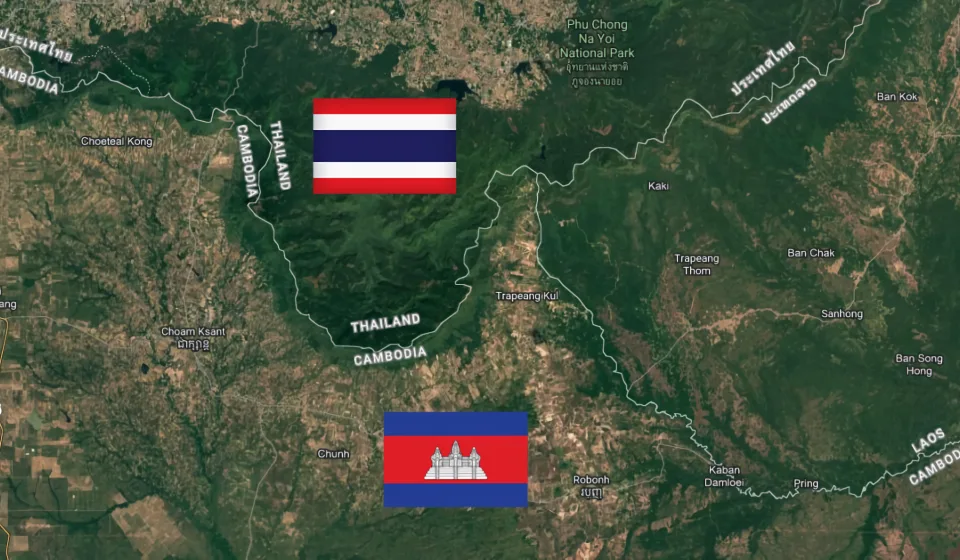
Diplomatic Discussions Moving Forward
The recent incident has opened avenues for potential diplomatic dialogues between Cambodia and Thailand. These discussions may center around:
- Establishing clearer communication channels
- Enhancing collaborative security efforts
- Promoting mutual trust through joint initiatives
As each side navigates through this delicate situation, it remains crucial for both nations to explore diplomatic initiatives that foster constructive engagement.
Long-term Effects on Bilateral Relations
In light of the Cambodia border arms report denial, there is considerable speculation regarding the evolving dynamics of Cambodia-Thailand relations. The potential long-term effects include:
- Increased scrutiny in arms dealings and border security
- A reevaluation of diplomatic strategies to strengthen ties
- Opportunities for economic collaboration, potentially enhancing trade relations
As both countries reflect on this incident, their capacity to adapt and grow together will shape the future of their bilateral relationship. The journey ahead may present challenges, but it also affords opportunities for a more robust partnership.
Conclusion
Summary of Key Points
In this article, we delved into the critical aspects surrounding the Cambodia border arms report denial. Here are the highlighted points:
- The denial of arms reports raises questions about transparency and accountability.
- Geopolitical implications could affect regional stability and relationships between neighboring countries.
- This incident underscores the importance of reliable information in international relations.
Final Thoughts on International Relations
As we reflect on the Cambodia border arms report denial, it becomes clear that effective diplomacy and open lines of communication are vital in navigating such conflicts. Proper dialogue can pave the way for:
- Peaceful resolutions to disputes
- Enhanced trust among nations
- Prevention of misinformation that can escalate tensions
Ultimately, ongoing engagement and understanding amongst nations are key to fostering a more secure and cooperative international environment.